第 10/25 课
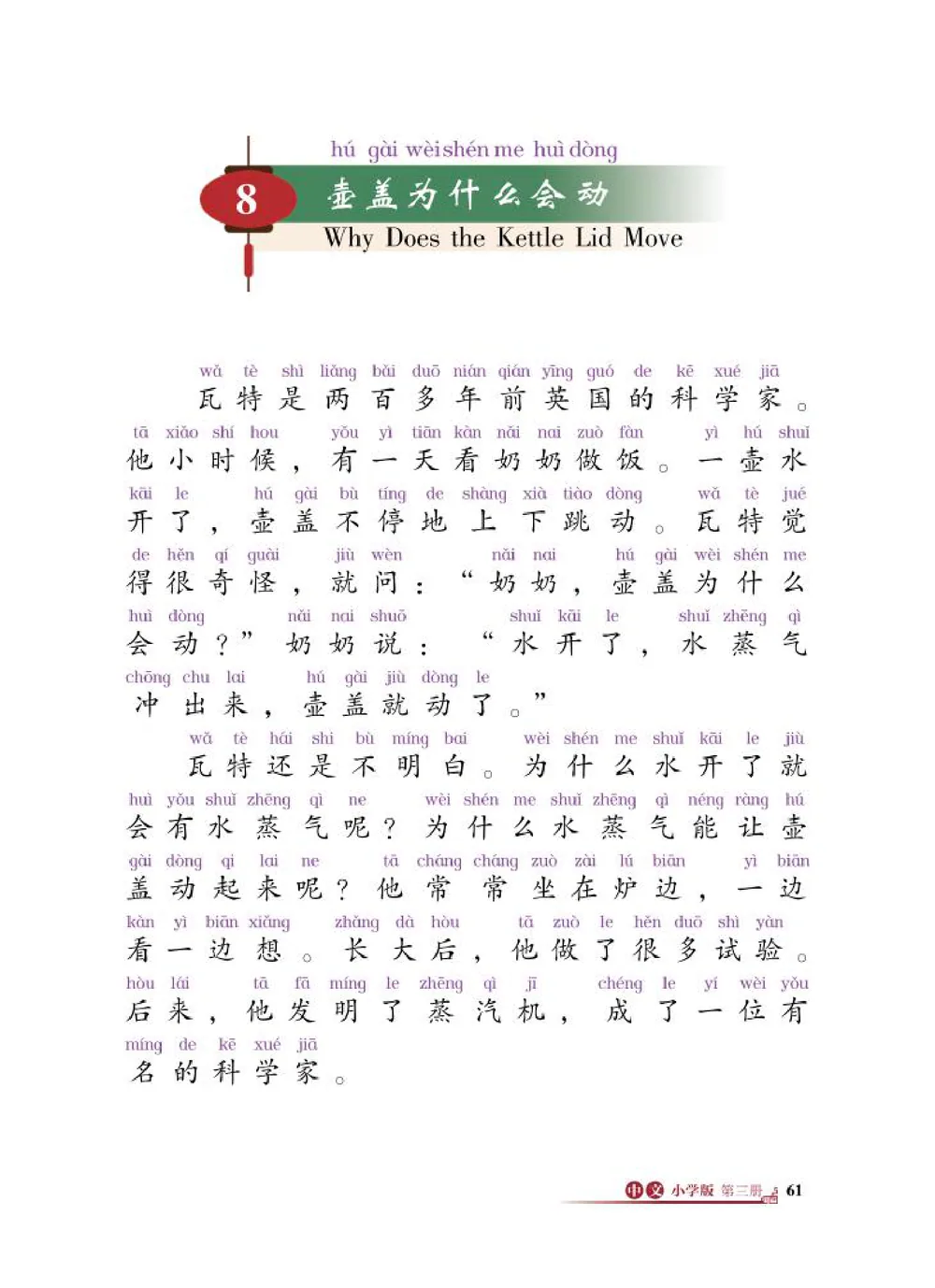
壶盖为什么会动
Why Does the Kettle Lid Move

课文 Text
wǎ瓦tè特shì是liǎng两bǎi百duō多nián年qián前yīng英guó国de的kē科xué学jiā家
Watt was an English scientist of more than two hundred years ago
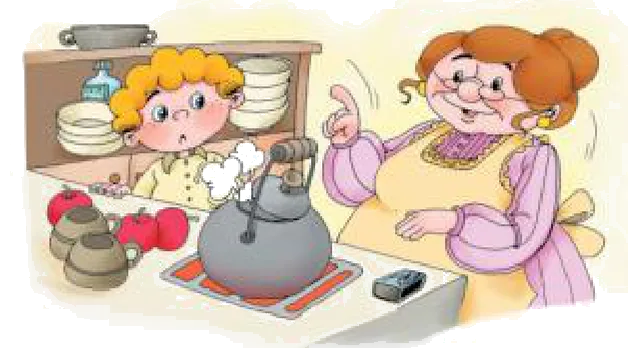
tā他xiǎo小shí时hòu候,yǒu有yī一tiān天kàn看nǎi奶nǎi奶zuò做fàn饭。yī一
When he was small he watched his grandma cooking one day. The
hú壶shuǐ水
a kettle of water
kāi开le了,hú壶gài盖bù不tíng停dì地shàng上xià下tiào跳dòng动。
…boiled, and the lid kept jumping up and down.
wǎ瓦tè特jué觉
Watt felt
dé得hěn很qí奇guài怪,jiù就wèn问:“nǎi奶nǎi奶,hú壶gài盖wèi为shén什me么
…thought it strange and asked, "Grandma, why does the lid
huì会dòng动?”nǎi奶nǎi奶shuō说:
…move?" Grandma said:
shuǐ水kāi开le了,shuǐ水zhēng蒸qì气
The water boiled, and the steam
chōng冲chū出lái来,hú壶gài盖jiù就dòng动le了。
…rushed out and the lid moved.
wǎ瓦tè特hái还shì是bù不míng明bái白。wèi为shén什me么shuǐ水kāi开le了jiù就
Watt still did not understand. Why, when water boils,
huì会yǒu有shuǐ水zhēng蒸qì气ne呢?wèi为shén什me么shuǐ水zhēng蒸qì气néng能ràng让hú壶
…is there steam? Why can steam make the kettle
chā差dòng动qǐ起lái来ne呢?tā他cháng常cháng常zuò坐zài在lú炉biān边,yī一biān边
…move? He would often sit by the stove and
kàn看yī一biān边xiǎng想。zhǎng长dà大hòu后,tā他zuò做le了hěn很duō多shì试yàn验。
…watched and thought. When he grew up he made many experiments.
hòu后lái来,tā他fā发míng明le了zhēng蒸qì汽jī机,chéng成le了yī一wèi位yǒu有
Later he invented the steam engine and became a
míng名de的kē科xué学jiā家。
…a famous scientist.
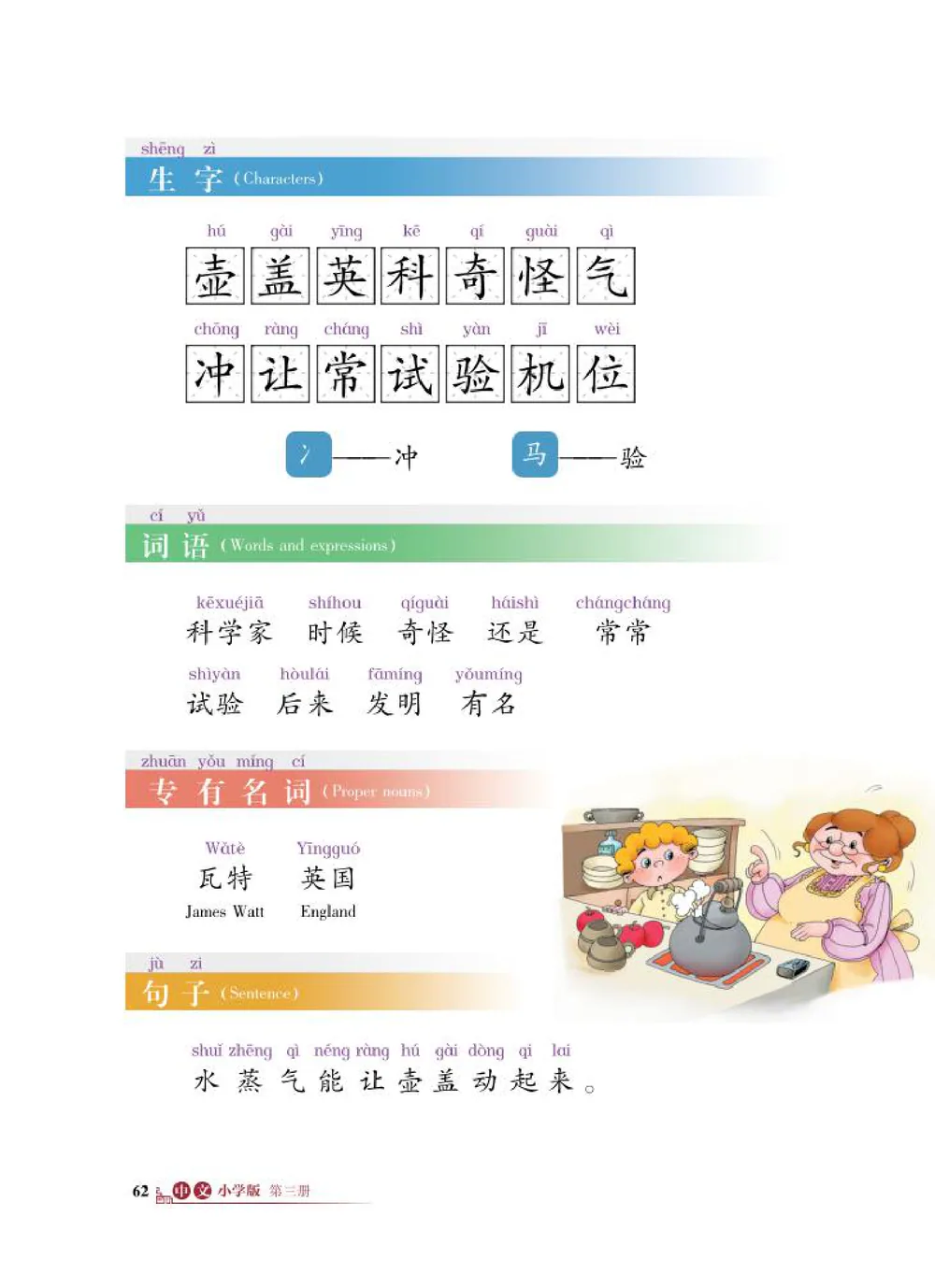
生字 Characters
hú壶gài盖
yīng英kē科qí奇guài怪
chōng冲ràng让cháng常shì试yàn验jī机wèi位
diào调yǔ语(Wordls andexpressions)
kē科xué学jiā家
shí时hòu候
qí奇guài怪
hái还shì是
cháng常cháng常
shì试yàn验
hòu后lái来
yǒu有míng名
fā发míng明
zhuān专yǒu有míng名diào调
wǎ瓦tè特
yīng英guó国
jù句le了(Semtenee)
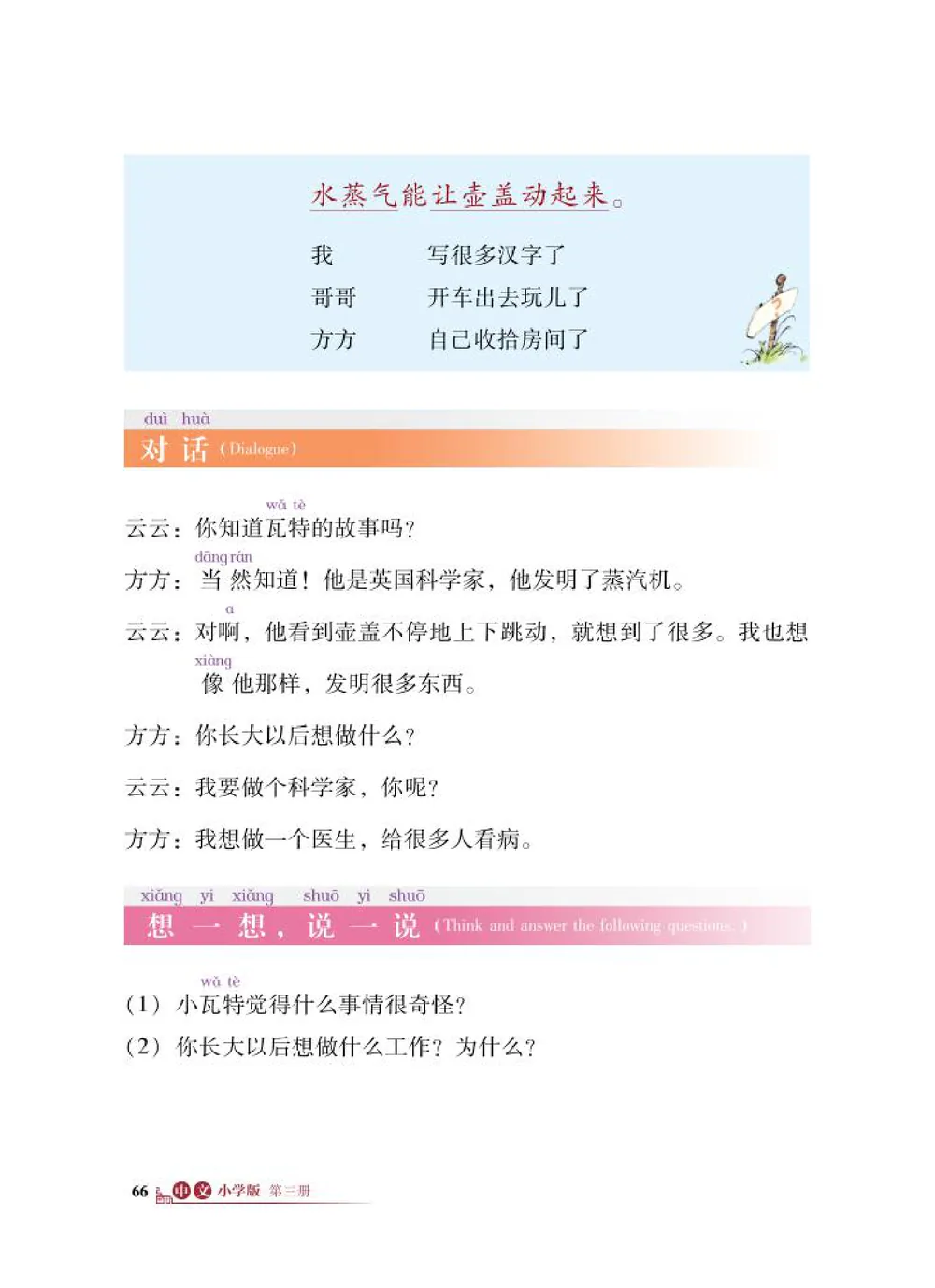
shuǐ水zhēng蒸qì气néng能ràng让hú壶gài盖dòng动qǐ起lái来
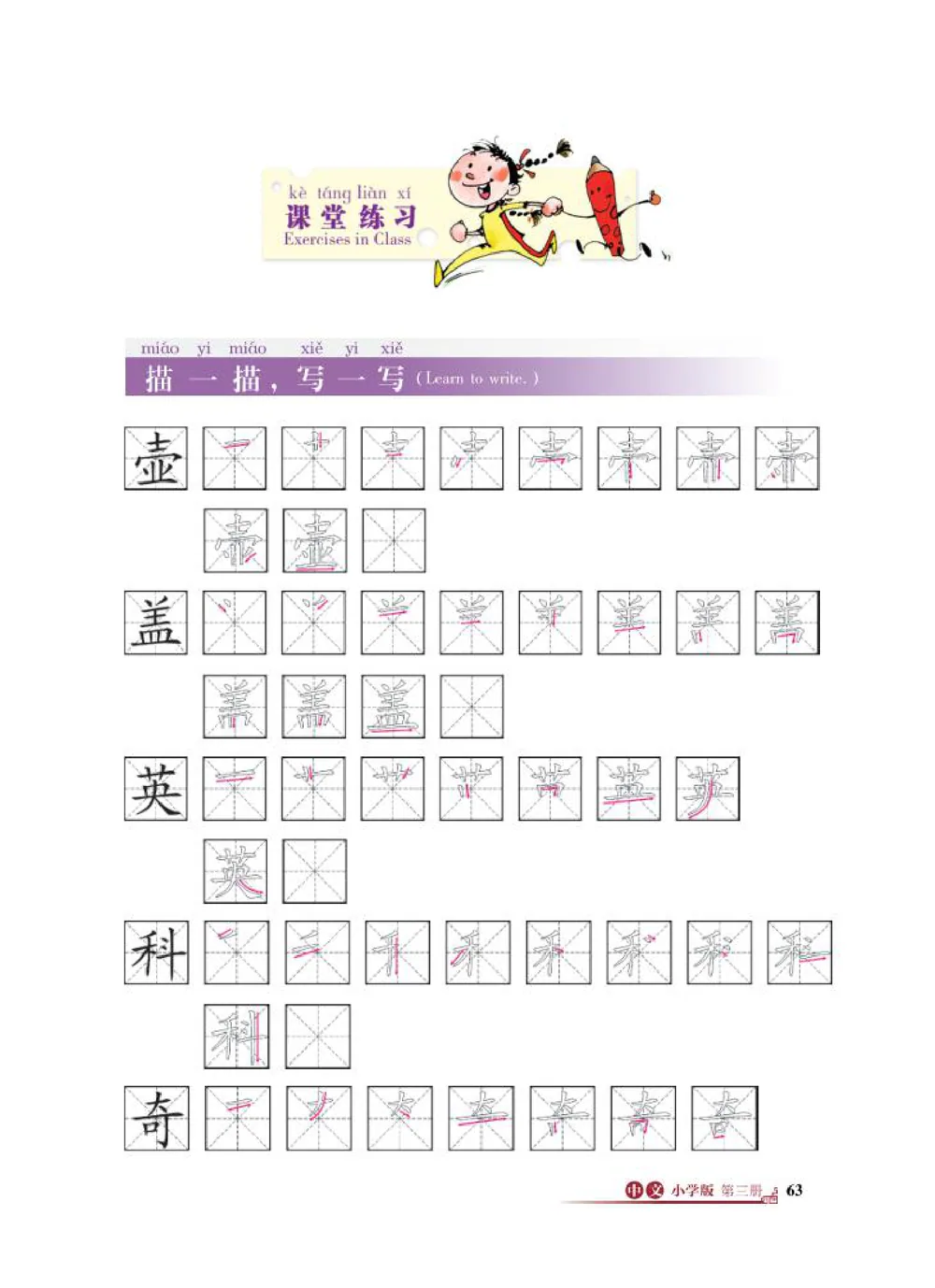
课堂练习 Exercises in Class
miáo描yī一miáo描xiě写xiě写
yīng英
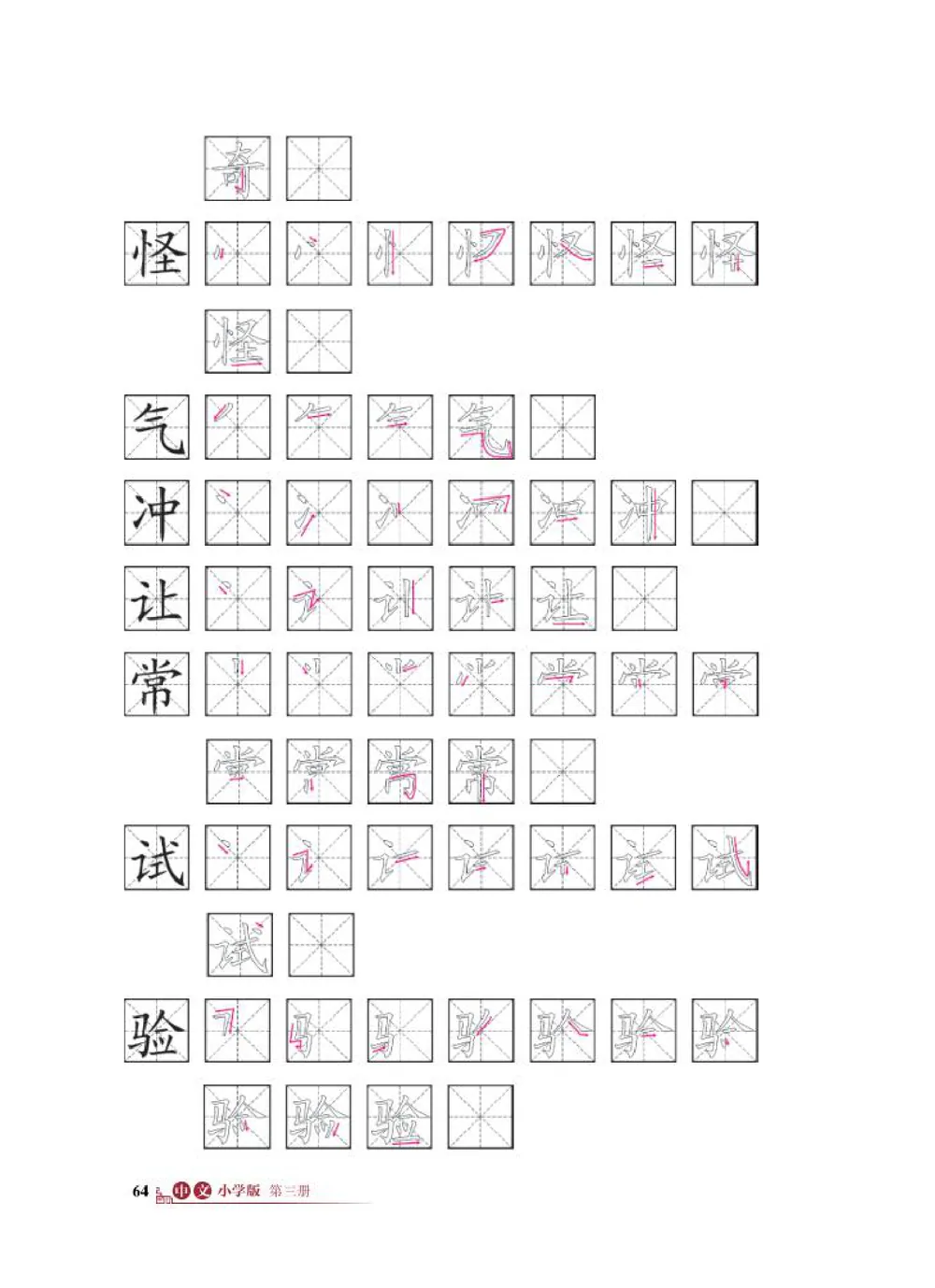
zhōng中
guài怪
cháng常
shì试
yàn验
dú读dú读
hú壶gài盖
shuǐ水hú壶
yī一hú壶shuǐ水
yīng英guó国
yīng英guó国rén人
yīng英yǔ语
kē科xué学
kē科xué学jiā家
qí奇guài怪
shēng生qì气
chōng冲chū出lái来
chōng冲shàng上qù去
chōng冲xià下lái来
ràng让kāi开ràng让yī一ràng让
cháng常cháng常
cháng常yòng用
shì试yàn验
shì试yī一shì试
jī机qì器
shǒu手jī机
fēi飞jī机
xǐ洗yī衣jī机
diàn电shì视jī机
yī一wèi位lǎo老shī师
yī一wèi位kē科xué学jiā家
kàng抗zhǎn展yǔ与tì替huàn换Expand and substitate
qí奇guài怪
kē科xué学jiā家
hěn很qí奇guài怪
yǒu有míng名de的kē科xué学jiā家
jué觉de得hěn很qí奇guài怪
chéng成wéi为yǒu有míng名de的kē科xué学jiā家
tā他chéng成wéi为yǒu有míng名de的kē科xué学jiā家,
wǎ瓦tè特jué觉de得hěn很qí奇guài怪
shuǐ水zhēng蒸qì气néng能ràng让hú壶gài盖dòng动qǐ起lái来
xiě写hěn很duō多hàn汉zì字le了
gē哥gē哥
kāi开chē车chū出qù去wán玩ér儿le了
fāng方fāng方
zì自jǐ己shōu收shí拾fáng房jiān间le了
duì对huà话(ialogue)
yún云yún云:nǐ你zhī知dào道wǎ瓦tè特de的gù故shì事ma吗?
fāng方fāng方:dāng当rán然zhī知dào道!tā他shì是yīng英guó国kē科xué学jiā家,tā他fā发míng明le了zhēng蒸qì汽jī机
yún云yún云:duì对a啊,tā他kàn看dào到hú壶gài盖bù不tíng停dì地shàng上xià下tiào跳dòng动,jiù就xiǎng想dào到le了hěn很duō多。wǒ我yě也xiǎng想
xiàng像tā他nà那yàng样,fā发míng明hěn很duō多dōng东xī西,
fāng方fāng方:nǐ你cháng长tiān天yǐ以hòu后xiǎng想zuò做shén什me么?
yún云yún云:wǒ我yào要zuò做gè个kē科xué学jiā家,nǐ你ne呢?
fāng方fāng方:wǒ我xiǎng想zuò做yí一gè个yī医shēng生,gěi给hěn很duō多rén人kàn看bìng病
xiǎng想yī一xiǎng想,shuō说yī一shuō说
(1)xiǎo小wǎ瓦tè特jué觉de得shén什me么shì事qíng情hěn很qí奇guài怪?
(2)nǐ你zhǎng长dà大yǐ以hòu后xiǎng想zuò做shén什me么gōng工zuò作?wéi为shén什me么?
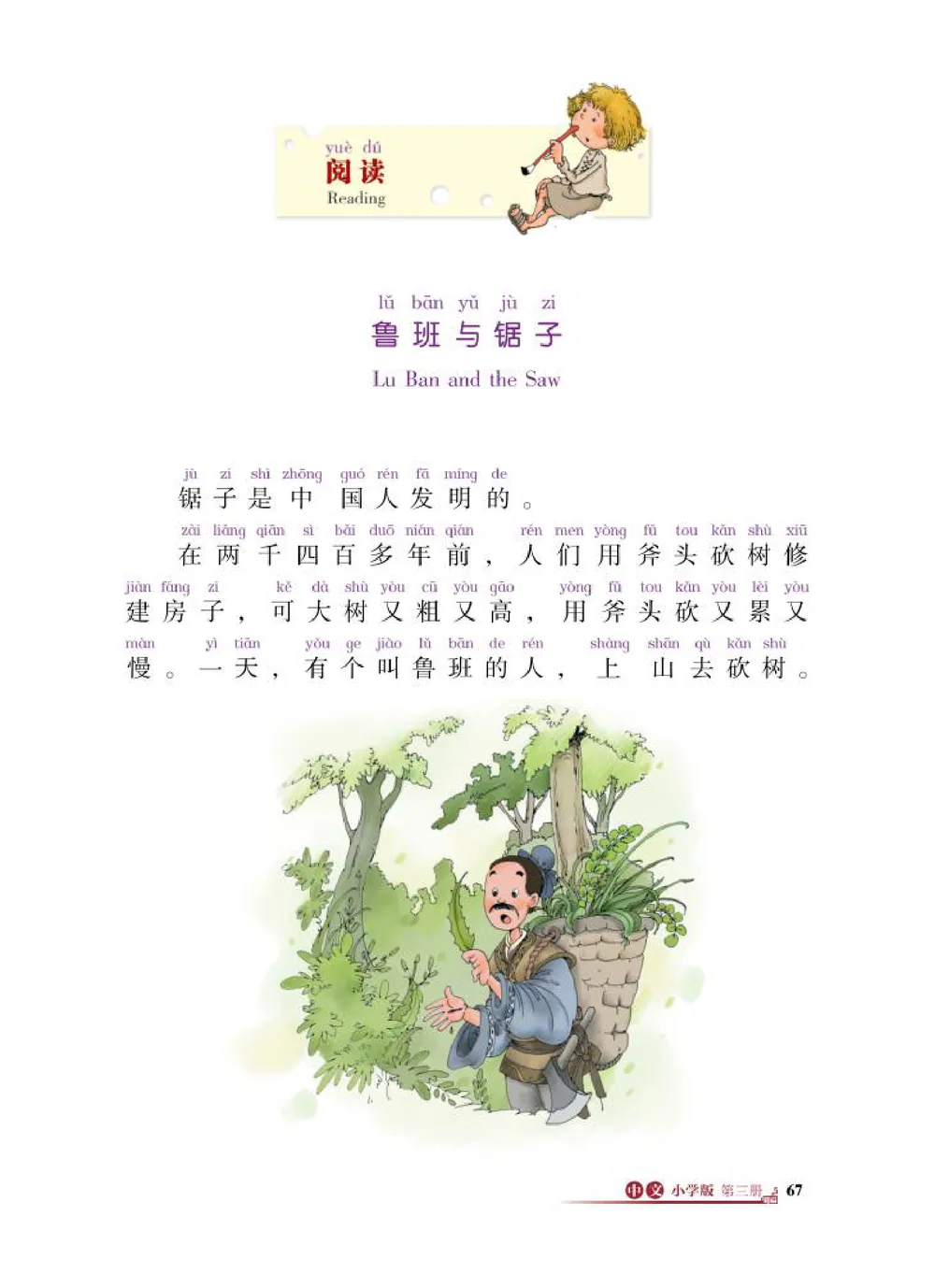
阅读 Reading
lǔ鲁bān班yǔ与jù锯zi子
Lu Ban and the saw
jù锯zi子shì是zhōng中guó国rén人fā发míng明de的。
The saw was invented by the Chinese.
zài在liǎng两qiān千sì四bǎi百duō多nián年qián前,rén人men们yòng用fǔ斧tóu头kǎn砍shù树xiū修
More than 2,400 years ago people felled trees with axes to build
jiàn建fáng房zi子,kě可dà大shù树yòu又cū粗yòu又gāo高,yòng用fǔ斧tóu头kǎn砍yòu又lèi累yòu又
…build houses, but the trees were thick and tall, and felling them with an axe was tiring and
màn慢。yī一tiān天,yǒu有gè个jiào叫lǔ鲁bān班de的rén人,shàng上shān山qù去kǎn砍shù树。
…slow. One day a man called Lu Ban went up the hill to fell trees.
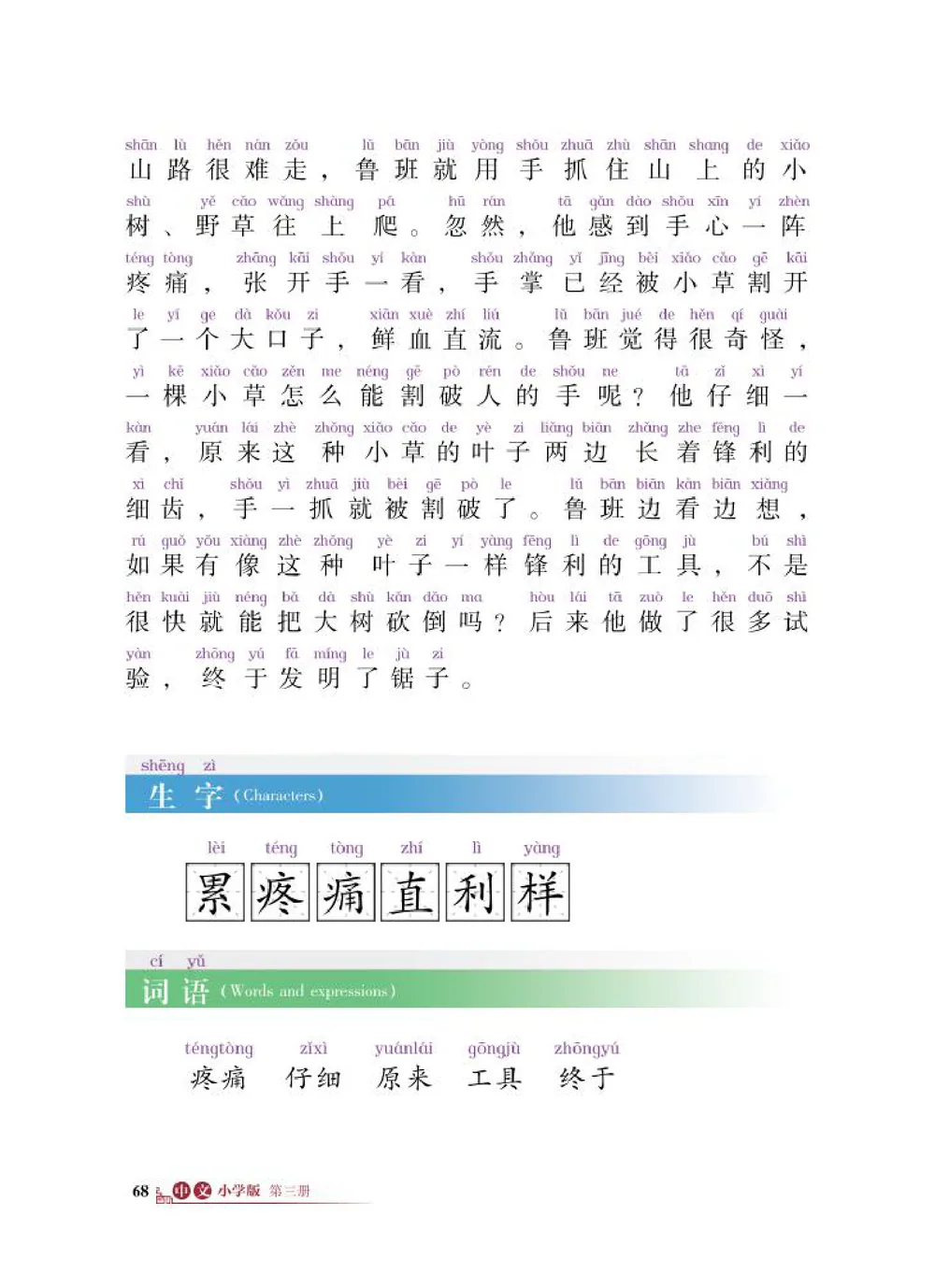
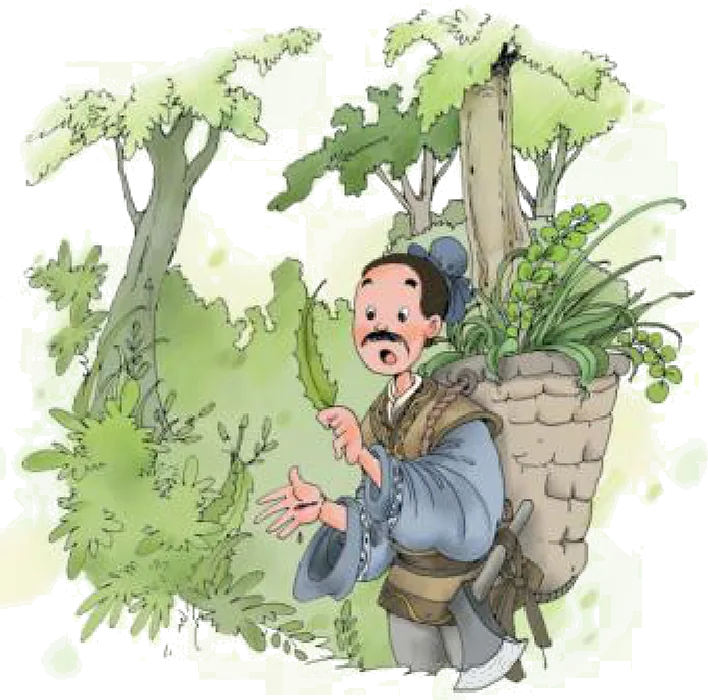
shān山lù路hěn很nán难zǒu走,lǔ鲁bān班jiù就yòng用shǒu手zhuā抓zhù住shān山shàng上de的xiǎo小
The mountain path was hard, so Lu Ban held on to the small
shù树、yě野cǎo草wǎng往shàng上pá爬。hū忽rán然,tā他gǎn感dào到shǒu手xīn心yī一zhèn阵
…trees and wild grass as he climbed. Suddenly he felt a sharp
téng疼tòng痛,zhāng张kāi开shǒu手yī一kàn看,shǒu手zhǎng掌yǐ已jīng经bèi被xiǎo小cǎo草gē割kāi开
…pain; he opened his hand and saw the grass had cut his palm
le了yí一gè个dà大kǒu口zi子,xiān鲜xuè血zhí直liú流。lǔ鲁bān班jué觉de得hěn很qí奇guài怪,
…a long cut, and blood ran out. Lu Ban thought it very strange,
kē棵xiǎo小cǎo草zěn怎me么néng能gē割pò破rén人de的shǒu手ne呢?tā他zǐ仔xì细yī一
…how could a blade of grass cut a hand? He looked closely
kàn看,yuán原lái来zhè这zhǒng种xiǎo小cǎo草de的yè叶zi子liǎng两biān边zhǎng长zhe着fēng锋lì利de的
…and saw that the leaves of this grass had sharp edges
xì细chǐ齿,shǒu手yī一zhuā抓jiù就bèi被gē割pò破le了。lǔ鲁bān班biān边kàn看biān边xiǎng想,
…fine teeth, and a hand that grasped it was cut. Lu Ban looked and thought,
rú如guǒ果yǒu有xiàng像zhè这zhǒng种yè叶zi子yī一yàng样fēng锋lì利de的gōng工jù具,bú不shì是
If there were a tool as sharp as this leaf, would it not
hěn很kuài快jiù就néng能bǎ把dà大shù树kǎn砍dào倒ma吗?hòu后lái来tā他zuò做le了hěn很duō多shì试
…could not a big tree be felled quickly? So he made many
yàn验,zhōng终yú于fā发míng明le了jù锯zi子
…experiments, and at last invented the saw
生字 Characters
lèi累téng疼tòng痛zhí直lì利yàng样
词语 Words
yuán原lái来
originally; as it turns out
téng疼tòng痛
pain
zǐ仔xì细
careful; carefully
gōng工jù具
tool
zhōng终yú于
at last
测验 Quiz — 23 questions
做完这些题就算学完这一课。 Finish these to complete the lesson.
-
壶 Choose the pinyin
-
盖 Choose the pinyin
-
英 Choose the pinyin
-
科 Choose the pinyin
-
奇 Choose the pinyin
-
怪 Choose the pinyin
-
qì Choose the character
-
chōng Choose the character
-
ràng Choose the character
-
cháng Choose the character
-
shì Choose the character
-
yàn Choose the character
-
壶(hú) What does it mean?
-
盖(gài) What does it mean?
-
英(yīng) What does it mean?
-
科(kē) What does it mean?
-
奇(qí) What does it mean?
-
怪(guài) What does it mean?
-
瓦特是两百多年前英国的_学家 Which character belongs in the blank?
-
开了,壶_不停地上下跳动。 Which character belongs in the blank?
-
得很奇怪,就问:“奶奶,_盖为什么 Which character belongs in the blank?
-
水开了,水蒸_ Which character belongs in the blank?
-
冲出来,_盖就动了。 Which character belongs in the blank?
-
把汉字和拼音连起来 Match each character to its pinyin
-
Listen and choose the character you hear
-
Listen and choose the character you hear
-
Listen and choose the character you hear
-
Listen and choose the character you hear
-
生字卡片 Flashcards for this lesson's characters
壶 hú
pot; classifier for bottled liquid盖 gài
lid; top; cover英 yīng
hero; outstanding; excellent科 kē
branch of study; administrative section; division奇 qí
strange; odd; weird怪 guài
odd; strange; uncanny; (bound form) monster; supernatural being; to find strange; to regard as odd气 qì
gas; air; smell; weather冲 chōng
(of water) to dash against; to mix with water; to infuse让 ràng
to yield; to permit; to let sb do sth常 cháng
always; ever; often试 shì
to test; to try; experiment验 yàn
variant of 驗|验[yan4]机 jī
(bound form) machine; mechanism; (bound form) aircraft; (bound form) an opportunity位 wèi
position; location; place累 lèi
tired; weary; to strain疼 téng
(it) hurts; sore; to love dearly痛 tòng
ache; pain; sorrow直 zhí
straight; to straighten; fair and reasonable利 lì
sharp; favorable; advantage样 yàng
manner; pattern; way
课本原页,点图看大图。 The printed pages this lesson comes from — tap to enlarge.