သင်ခန်းစာ 10 / 27
司马光
Sima Guang
课文 Text
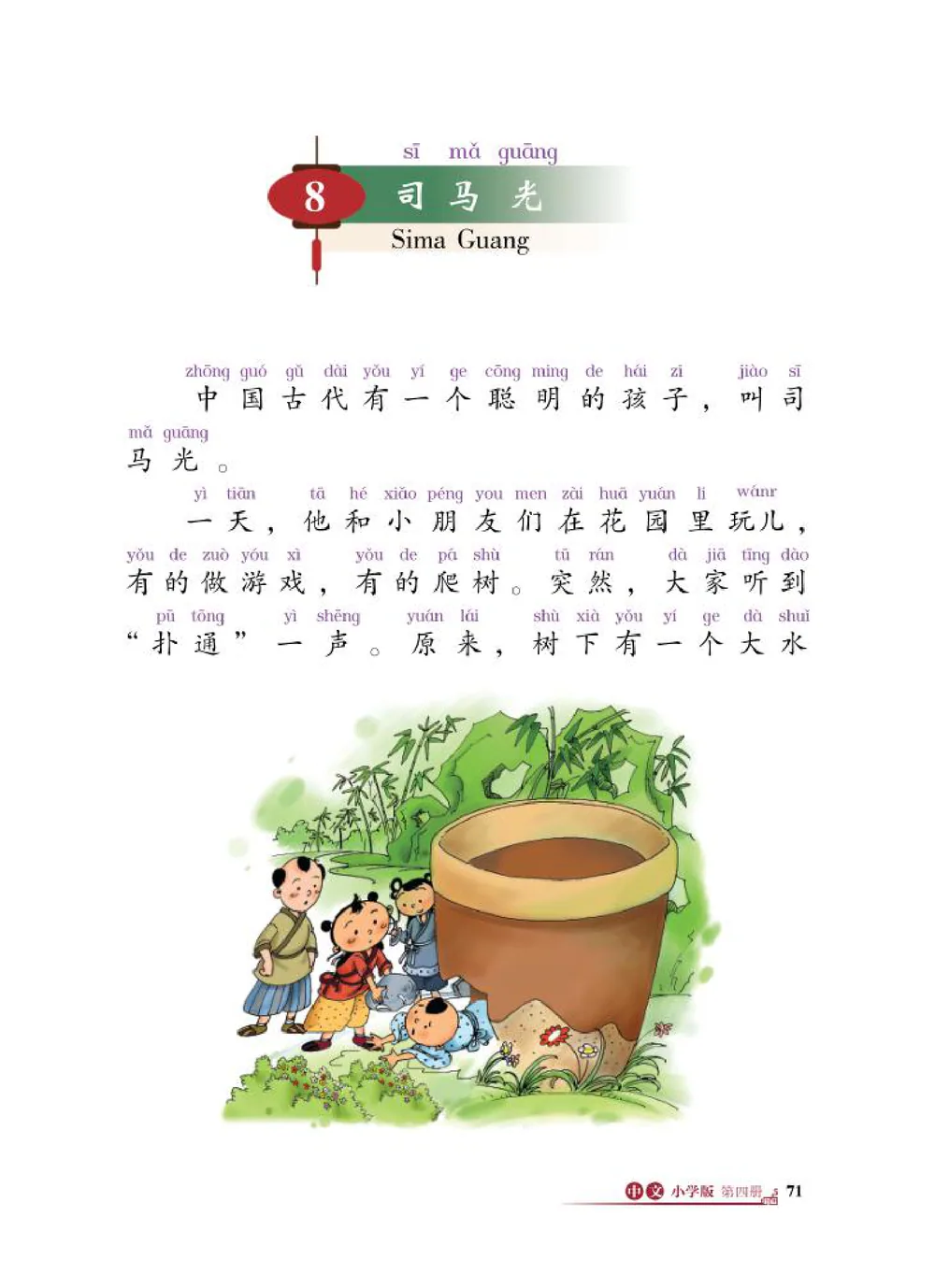
zhōng中guó国gǔ古dài代yǒu有yí一gè个cōng聪míng明de的hái孩zi子,jiào叫sī司
In ancient China there was a clever boy called Sima
mǎ马guāng光
yī一tiān天,tā他hé和xiǎo小péng朋yǒu友men们zài在huā花yuán园lǐ里wán玩ér儿,
One day he was playing in the garden with his friends,
yǒu有de的zuò做yóu游xì戏,yǒu有de的pá爬shù树。tū突rán然,dà大jiā家tīng听dào到
…some at games, some climbing trees. Suddenly they heard
pū扑tōng通”yī一shēng声。)
…with a splash.)
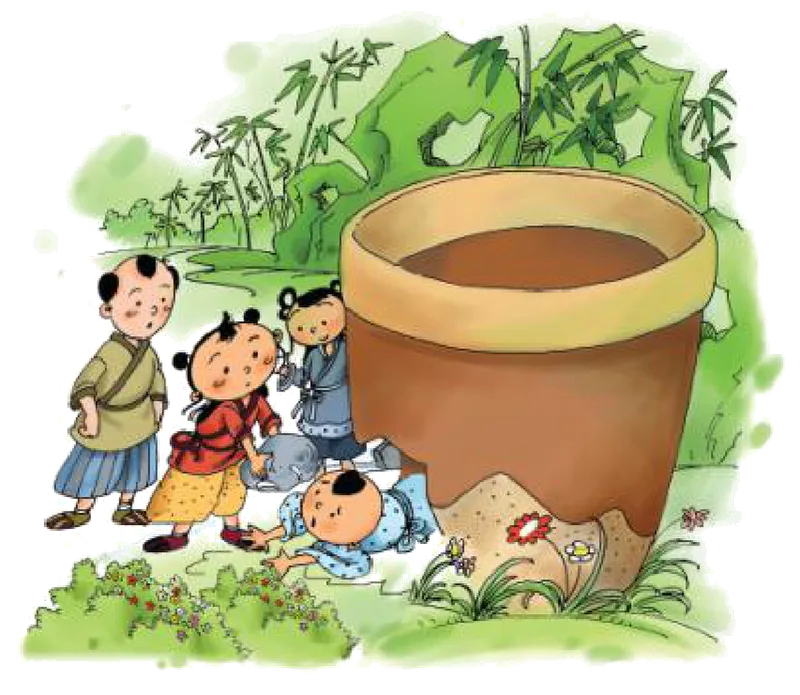
yuán原lái来shù树xià下yǒu有yí一gè个dà大shuǐ水
…it turned out there was a big water
gāng缸,yǒu有gè个xiǎo小péng朋yǒu友bù不xiǎo小xīn心cóng从shù树shàng上diào掉dào到shuǐ水gāng缸
…vat, and a child fell off the tree into the
lǐ里le了。shuǐ水gāng缸yòu又dà大yòu又shēn深,lǐ里miàn面zhuāng装mǎn满le了shuǐ水
…in. The vat was big and deep and full of water
de的xiǎo小péng朋yǒu友dōu都xià吓kū哭le了,bù不zhī知dào道zěn怎me么bàn办。zhǐ只
…the other children were frightened to tears and did not know what to do. Only
yǒu有sī司mǎ马guāng光bù不jīng惊huāng慌。tā他hěn很kuài快xiǎng想chū出le了yí一gè个bàn办
…only Sima Guang kept his head. He soon thought of a
fǎ法,zhǎo找lái来yī一kuài块dà大shí石tou头,shǐ使jìn劲xiàng向shuǐ水gāng缸zá砸qù去。
…way: he found a big stone and struck the vat hard with it.
shuǐ水gāng缸pò破le了,shuǐ水liú流le了chū出lái来,nà那ge个xiǎo小péng朋yǒu友dé得
The vat broke, the water ran out, and the child was
jiù救le了。
…saved.
dà大jiā家dōu都shuō说:“sī司mǎ马guāng光zhēn真cōng聪míng明。
Everyone said, "Sima Guang really is clever."
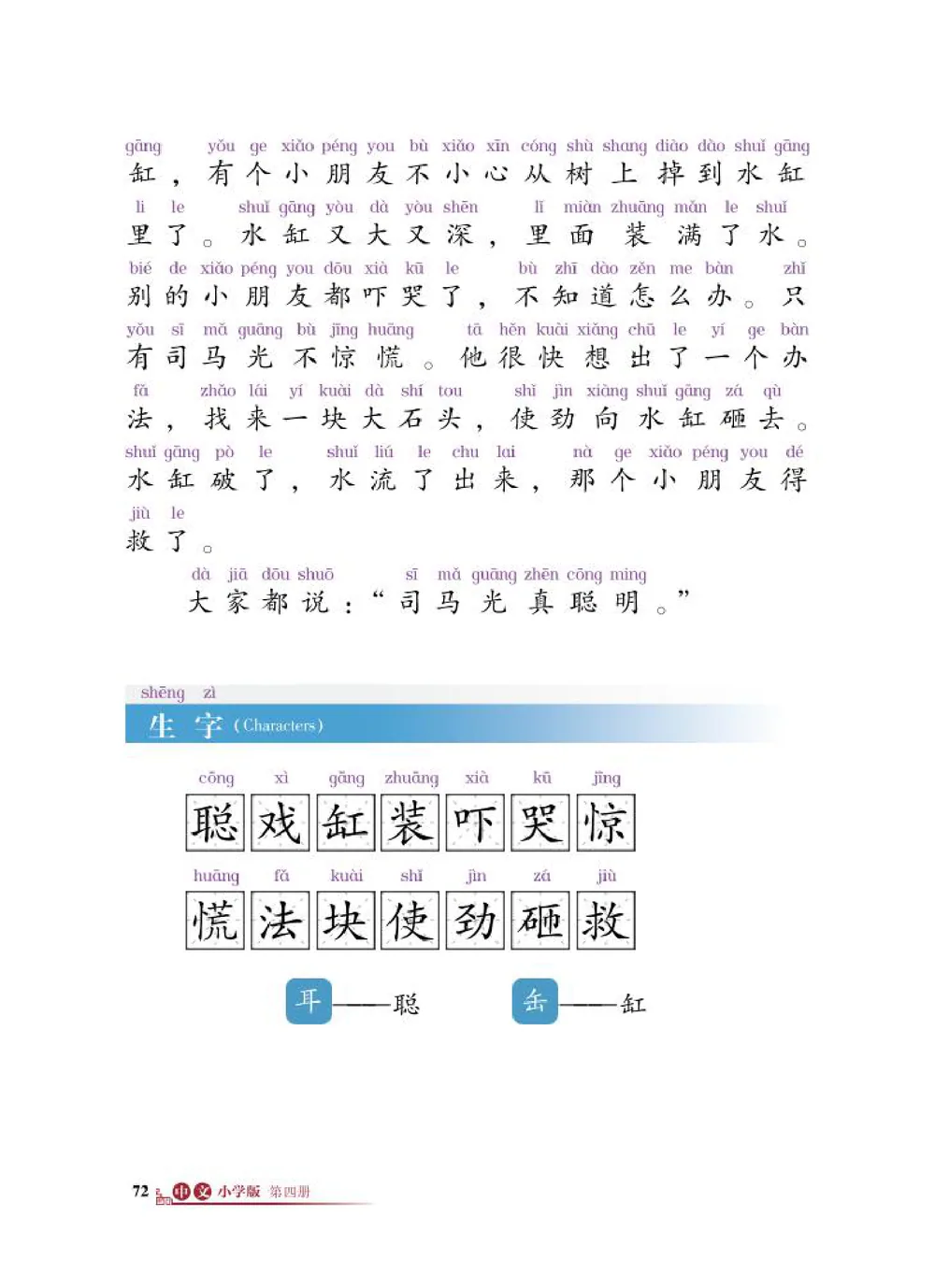
bǎo宝(Charactera)
Characters
cōng聪xì戏
kū哭jīng惊
huāng慌fǎ法
kuài块shǐ使
jīn金yī一gāng缸
diào调yǔ语(Wordsandexpessions)
Words and expressions
cōng聪míng明
clever
yǒu有de的
some
yóu游xì戏
game
bié别de的
other
zhǐ只yǒu有
only
bàn办fǎ法
a way; a method
shí石tou头
stone
zhuān专yǒu有míng名cí词
Proper nouns
jù句yú于Sentenge
Sentences
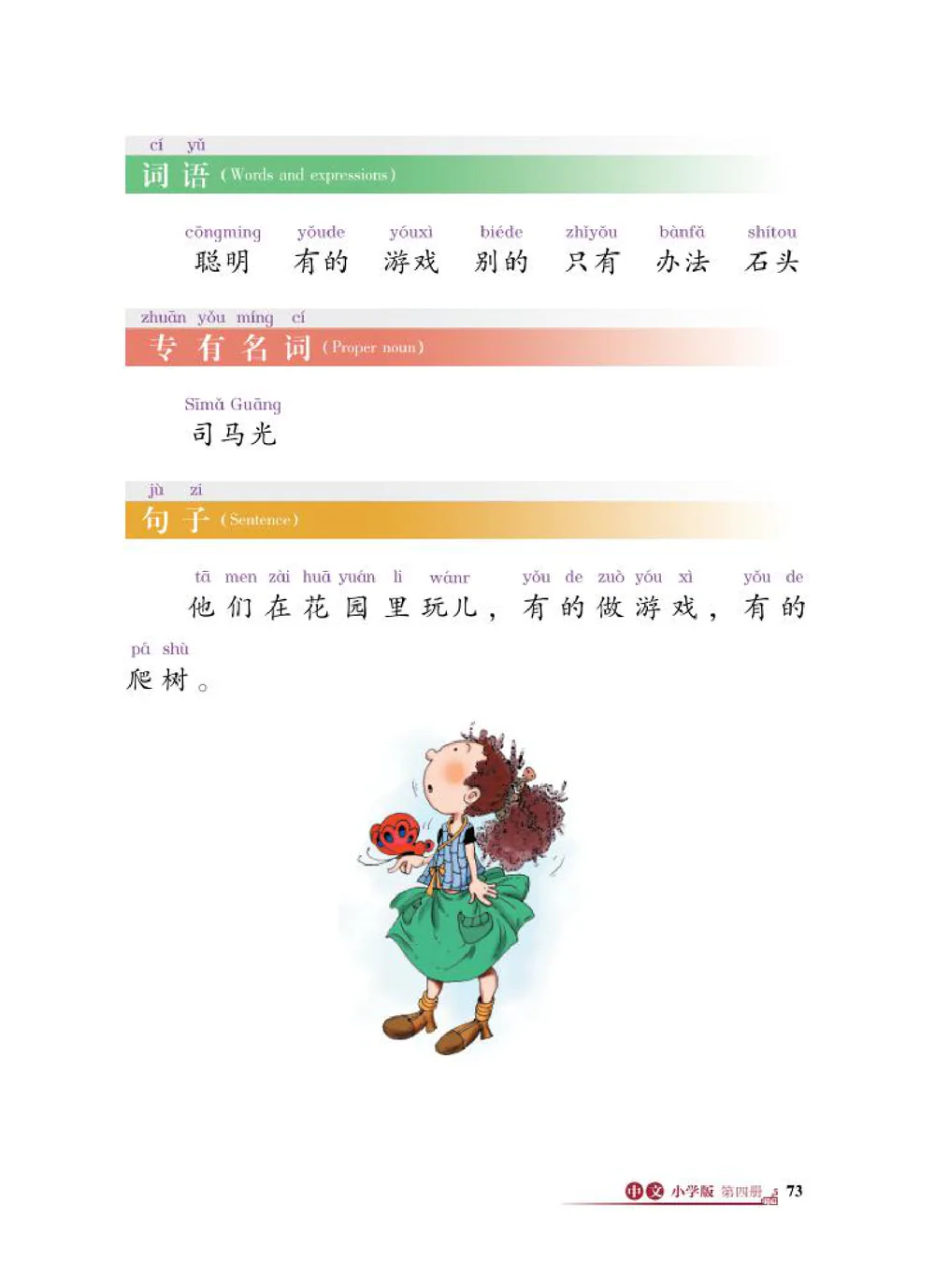
tā他men们zài在huā花yuán园lǐ里wán玩ér儿,yǒu有de的zuò做yóu游xì戏,yǒu有de的
They were playing in the garden, some at games, some
pá爬shù树。
…climb trees.
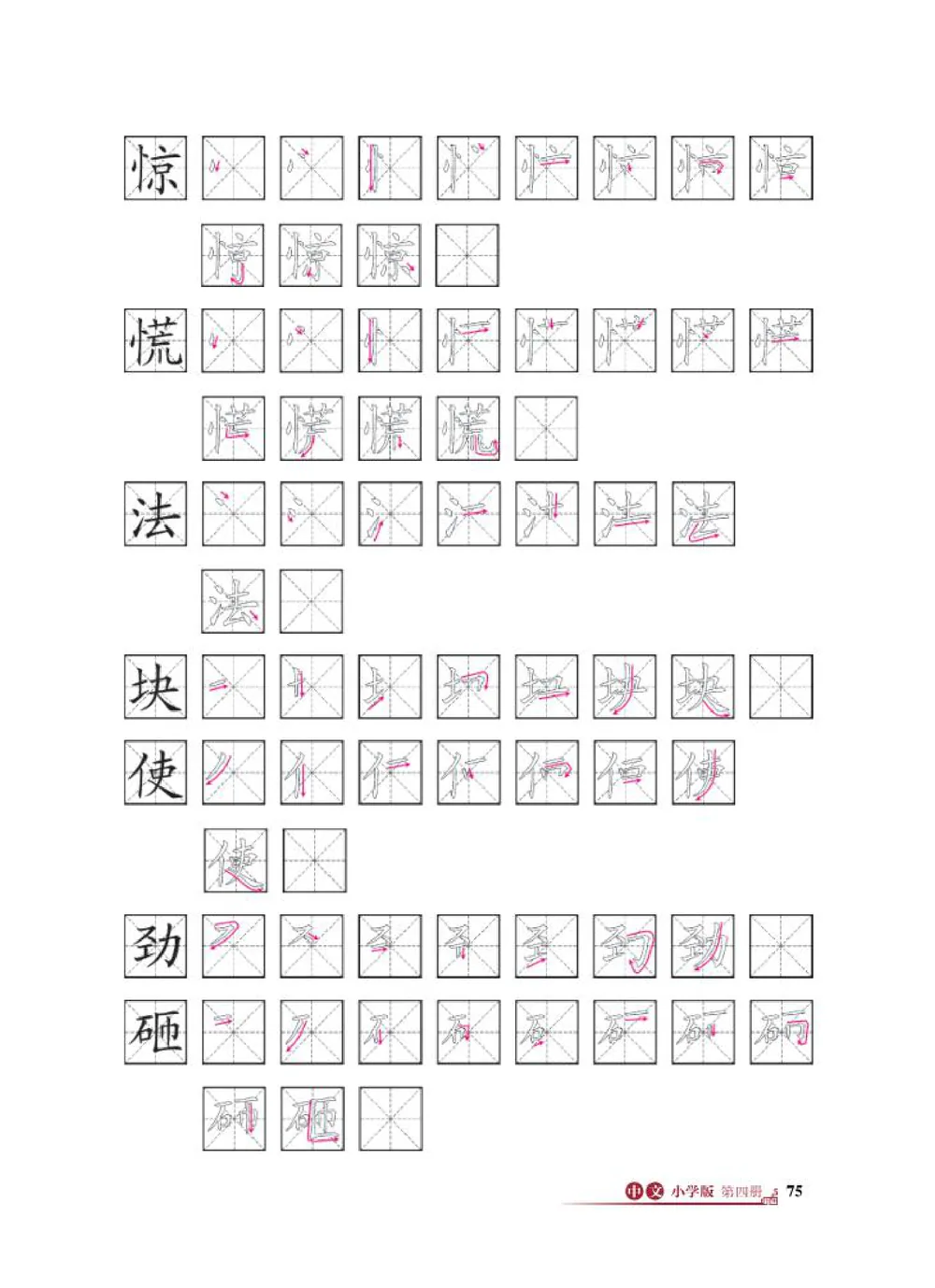
课堂练习 Exercises in Class
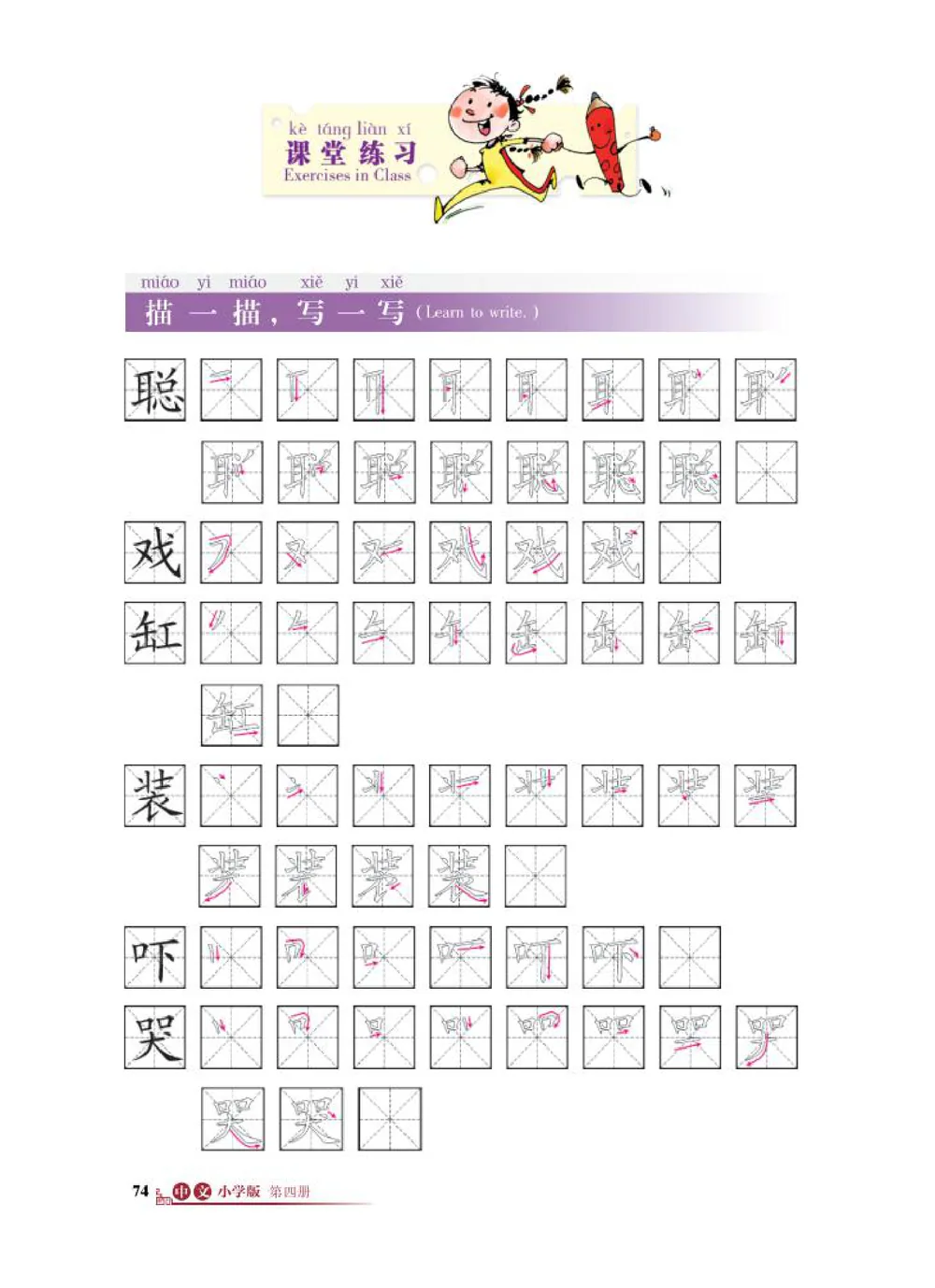
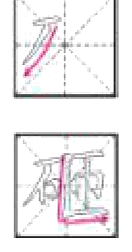
miáo描yī一miáo描,xiě写yī一xiě写Lean towrite)
cōng聪
xì戏
gāng缸
zhuāng装
kū哭
huāng慌
fǎ法
kuài块
shǐ使
jìn劲
zhōng中
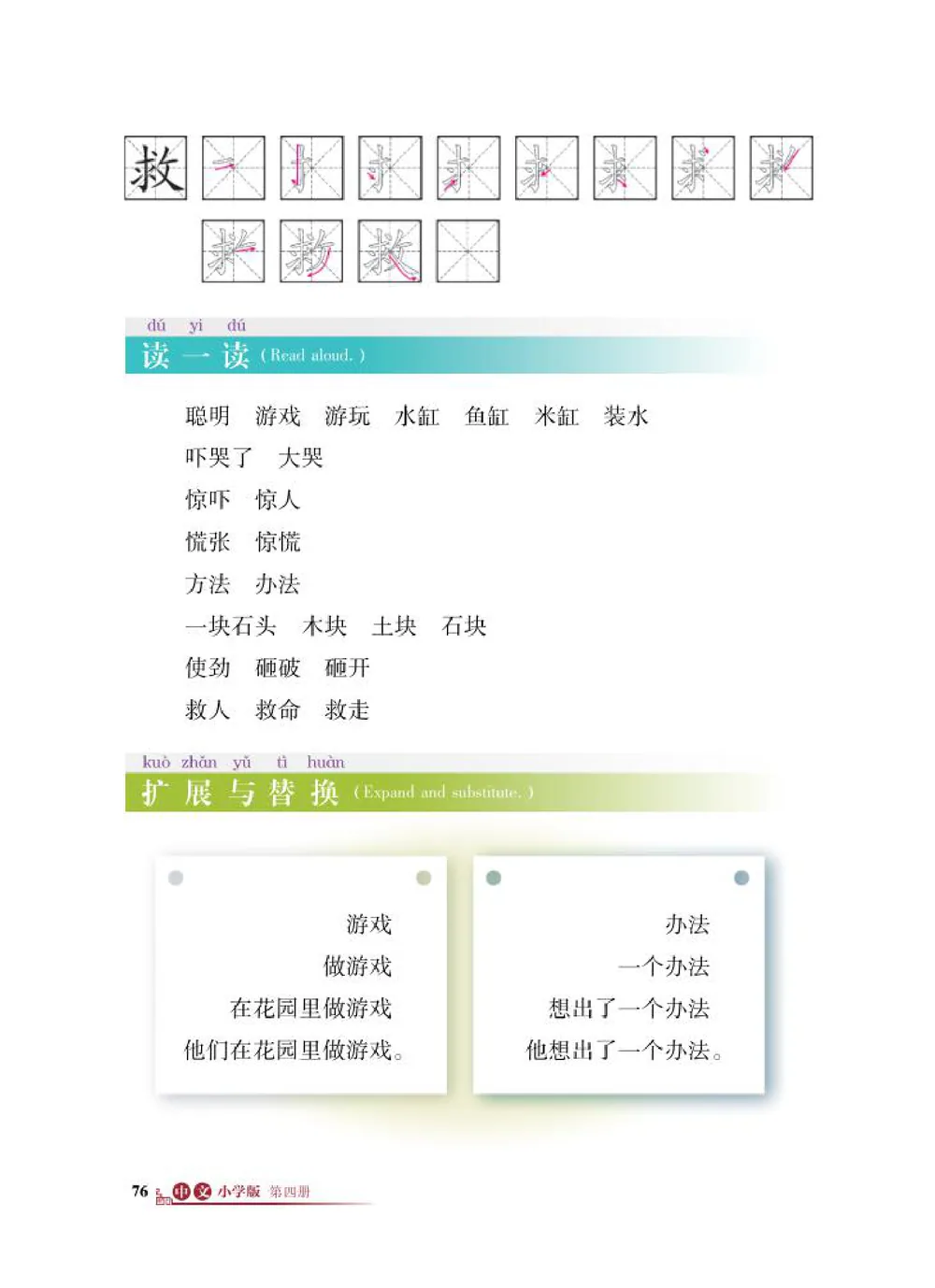
dú读yī一dú读
cōng聪míng明yóu游xì戏
yóu游wán玩
shuǐ水gāng缸
yú鱼gāng缸
mǐ米gāng缸
zhuāng装shuǐ水
xià吓kū哭le了
dà大kū哭
jīng惊xià吓jīng惊rén人
huāng慌zhāng张
jīng惊huāng慌
fāng方fǎ法bàn办fǎ法
yī一kuài块shí石tou头mù木kuài块tǔ土kuài块shí石kuài块
shǐ使jìn劲
zá砸pò破
zá砸kāi开
jiù救rén人jiù救mìng命
jiù救zǒu走
kàng抗zhǎn展yǔ与tì替huàn换
yóu游xì戏
game
bàn办fǎ法
a way; a method
zuò做yóu游xì戏
yí一gè个bàn办fǎ法
zài在huā花yuán园lǐ里zuò做yóu游xì戏
xiǎng想chū出le了yí一gè个bàn办fǎ法
tā他men们zài在huā花yuán园lǐ里zuò做yóu游xì戏,
tā他xiǎng想chū出le了yí一gè个bàn办fǎ法。
tā他men们yǒu有de的zuò做yóu游xì戏,yǒu有de的pá爬shù树
xiě写hàn汉zì字
dú读kè课wén文
mǎi买shuǐ水guǒ果
mǎi买miàn面bāo包
qù去lǚ旅yóu游
zài在jiā家wán玩
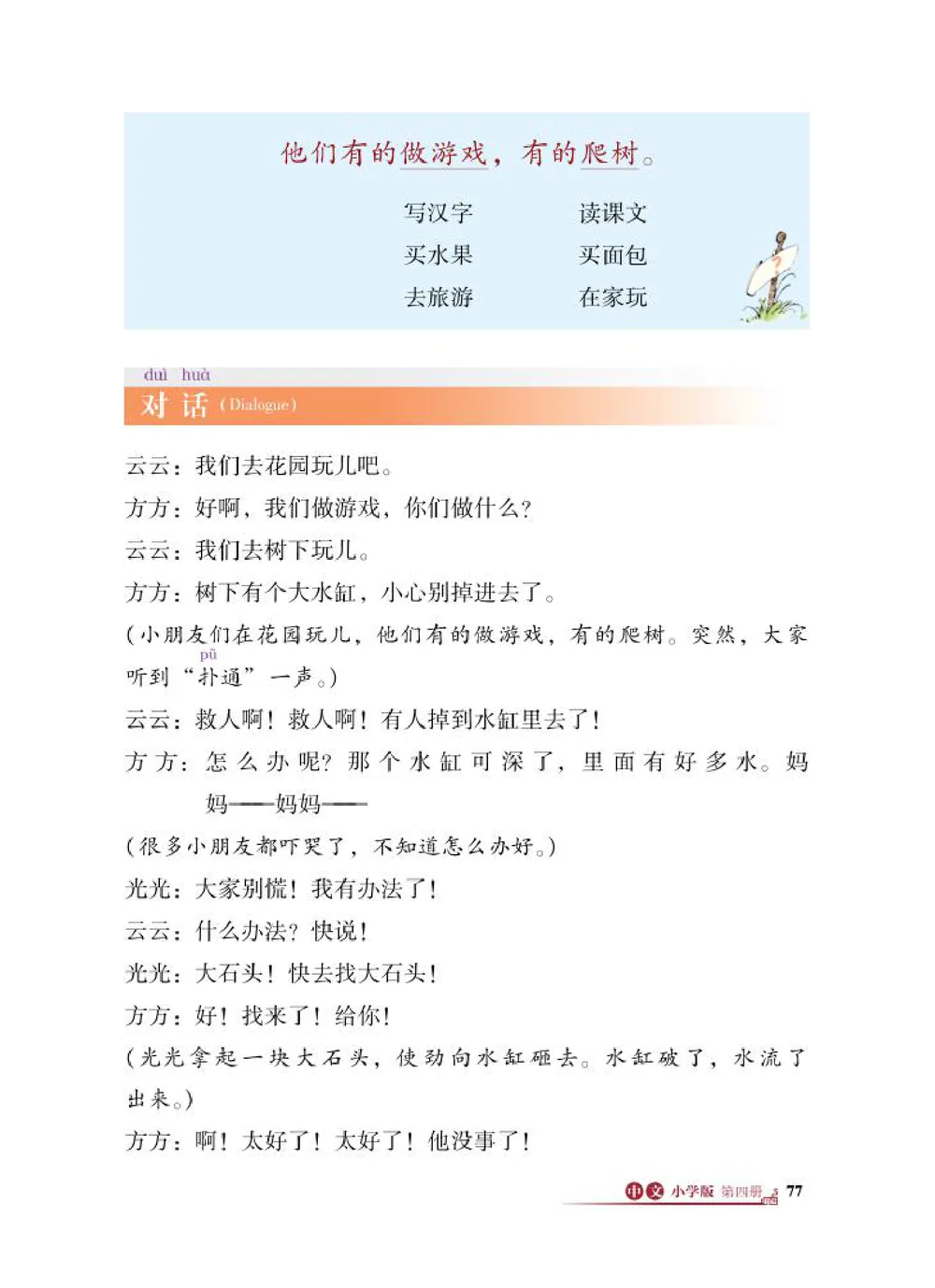
duì对huà话(Dialoge)
yún云yún云:wǒ我men们qù去huā花yuán园wán玩ér儿ba吧
fāng方fāng方:hǎo好a啊,wǒ我men们zuò做yóu游xì戏,nǐ你men们zuò做shén什me么?
yún云yún云:wǒ我men们qù去shù树xià下wán玩ér儿
fāng方fāng方:shù树xià下yǒu有gè个dà大shuǐ水gāng缸,xiǎo小xīn心bié别diào掉jìn进qù去le了。
(xiǎo小péng朋yǒu友men们zài在huā花yuán园wán玩ér儿,tā他men们yǒu有de的zuò做yóu游xì戏,yǒu有de的pá爬shù树。tū突rán然,dà大jiā家
tīng听dào到“pū扑tōng通”yī一shēng声。)
yún云yún云:jiù救rén人a啊!jiù救rén人a啊!yǒu有rén人diào掉dào到shuǐ水gāng缸lǐ里qù去le了!
fāng方fāng方:zěn怎me么bàn办ne呢?nà那ge个shuǐ水gāng缸kě可shēn深le了,lǐ里miàn面yǒu有hǎo好duō多shuǐ水。mā妈
mā妈mā妈mā妈
(hěn很duō多xiǎo小péng朋yǒu友dōu都xià吓kū哭le了,bù不zhī知dào道zěn怎me么bàn办hǎo好。)
guāng光guāng光:dà大jiā家bié别huāng慌!wǒ我yǒu有bàn办fǎ法le了!
yún云yún云:shén什me么bàn办fǎ法?kuài快shuō说!
guāng光guāng光:dà大shí石tou头!kuài快qù去zhǎo找dà大shí石tou头!
fāng方fāng方:hǎo好!zhǎo找lái来le了!gěi给nǐ你!
(guāng光guāng光ná拿qǐ起yī一kuài块dà大shí石tou头,shǐ使jìn劲xiàng向shuǐ水gāng缸zá砸qù去。shuǐ水gāng缸pò破le了,shuǐ水liú流le了
chū出lái来。)
fāng方fāng方:a啊!tài太hǎo好le了!tài太hǎo好le了!tā他méi没shì事le了!
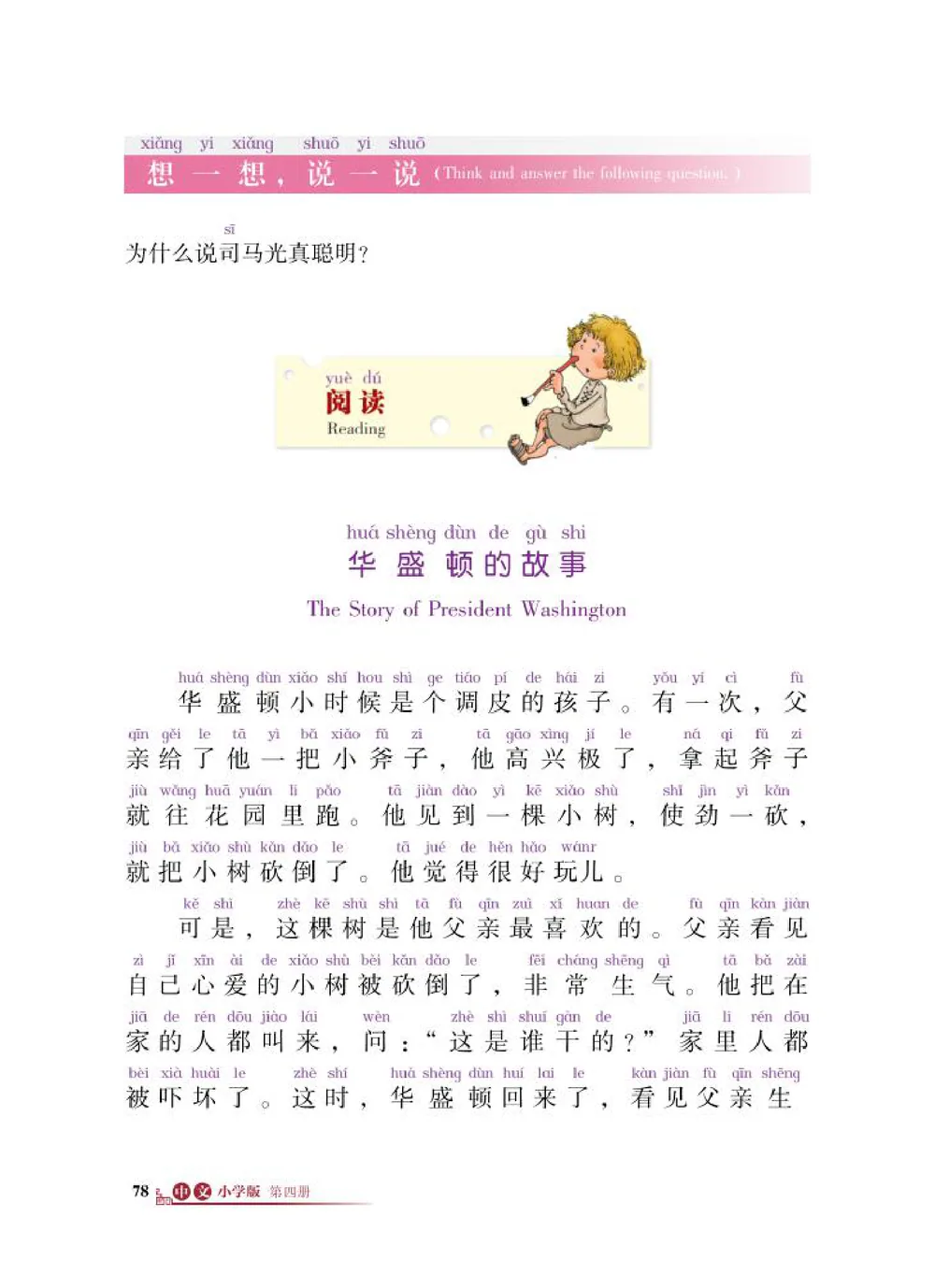
xiǎng想yī一xiǎng想,shuō说yī一shuō说
wèi为shén什me么shuō说sī司mǎ马guāng光zhēn真cōng聪míng明?
阅读 Reading
huá华shèng盛dùn顿de的gù故shì事
The story of Washington
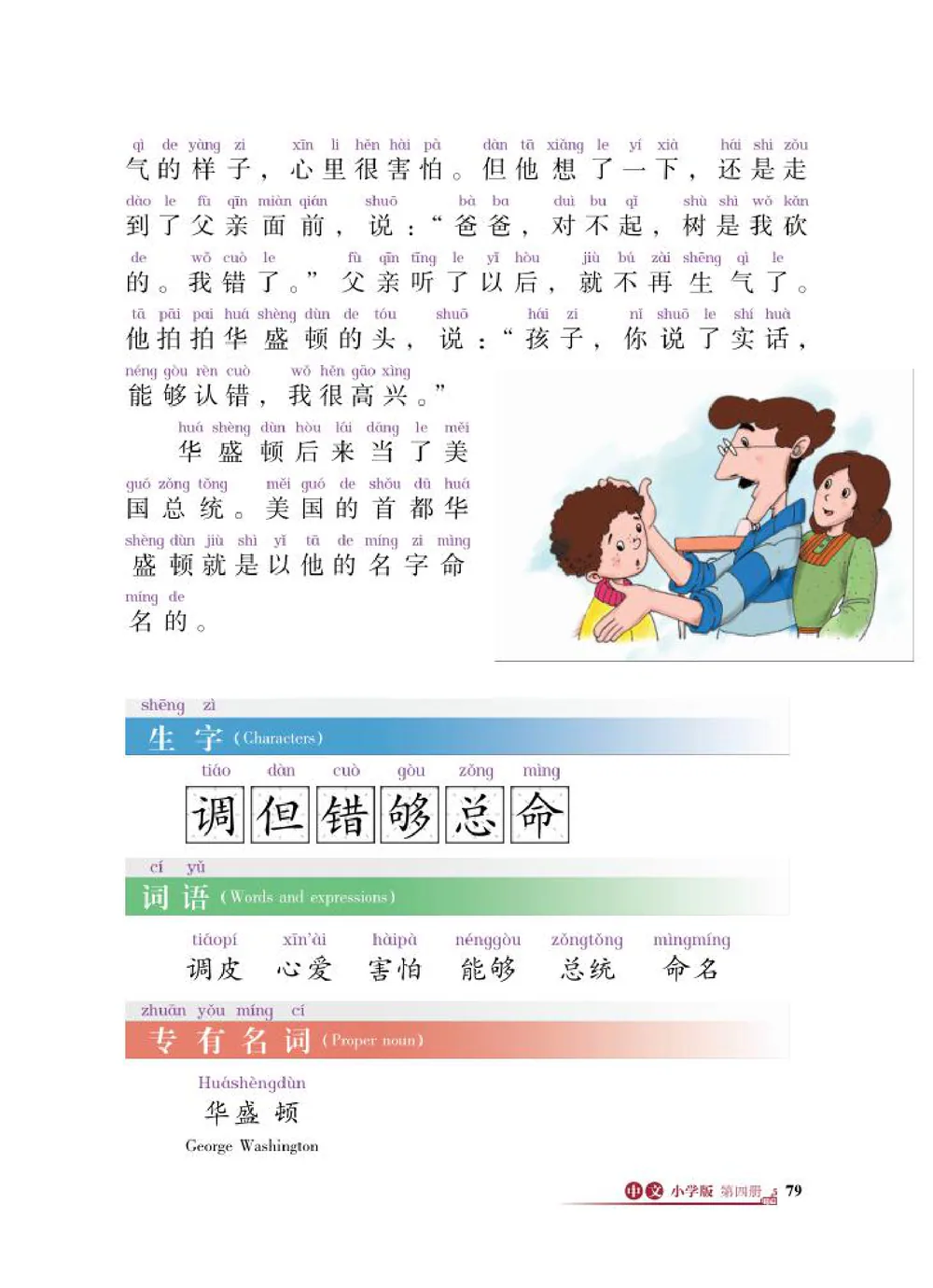
huá华shèng盛dùn顿xiǎo小shí时hòu候shì是gè个tiáo调pí皮de的hái孩zi子。yǒu有yī一cì次,fù父
Washington was a naughty boy. Once his father
qīn亲gěi给le了tā他yī一bǎ把xiǎo小fǔ斧zi子,tā他gāo高xìng兴jí极le了,ná拿qǐ起fǔ斧zi子
…his father gave him a little axe; delighted, he picked it up
jiù就wǎng往huā花yuán园lǐ里pǎo跑。tā他jiàn见dào到yī一kē棵xiǎo小shù树,shǐ使jìn劲yī一kǎn砍,
…ran into the garden. He saw a young tree and struck it hard,
jiù就bǎ把xiǎo小shù树kǎn砍dào倒le了。tā他jué觉de得hěn很hǎo好wán玩ér儿。
…and cut down the little tree. He thought it good fun.
kě可shì是,zhè这kē棵shù树shì是tā他fù父qīn亲zuì最xǐ喜huān欢de的。fù父qīn亲kàn看jiàn见
But that tree was his father's favourite. When his father saw
zì自yǐ已xīn心ài爱de的xiǎo小shù树bèi被kǎn砍dào倒le了,fēi非cháng常shēng生qì气。tā他bǎ把zài在
…his beloved young tree cut down, he was very angry. He called
jiā家de的rén人dōu都jiào叫lái来,wèn问:“zhè这shì是shuí谁gàn干de的?”jiā家lǐ里rén人dōu都
…the household together and asked, "Who did this?" Everyone
bèi被xià吓huài坏le了。zhè这shí时,huá华shèng盛dùn顿huí回lái来le了,kàn看jiàn见fù父qīn亲shēng生
…were frightened. Just then Washington came back and saw his father
qì气de的yàng样zi子,xīn心lǐ里hěn很hài害pà怕。dàn但tā他xiǎng想le了yī一xià下,hái还shì是zǒu走
…looking angry, and was afraid. But after a moment's thought he walked
dào到le了fù父qīn亲miàn面qián前,shuō说:“bà爸bà爸,duì对bù不qǐ起,shù树shì是wǒ我kǎn砍
…up to his father and said, "Father, I am sorry, I cut down the tree
de的。wǒ我cuò错le了。”fù父qīn亲tīng听le了yǐ以hòu后,jiù就bù不zài再shēng生qì气le了
…it. I was wrong." When his father heard this he was no longer angry
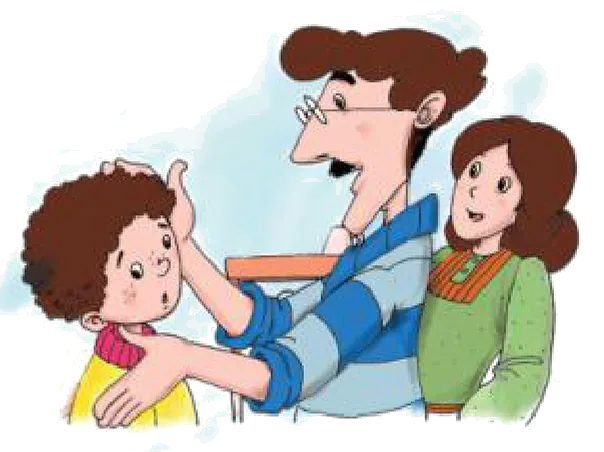
tā他pāi拍pāi拍huá华shèng盛dùn顿de的tóu头,shuō说:“hái孩zi子,nǐ你shuō说le了shí实huà话,
He patted Washington's head and said, "Child, you told the truth,
néng能gòu够rèn认cuò错,wǒ我hěn很gāo高xìng兴。
I am glad you can admit you were wrong.
huá华shèng盛dùn顿hòu后lái来dāng当le了měi美
Washington later became the American
guó国zǒng总tǒng统。měi美guó国de的shǒu首dū都huá华
…president. The American capital, Wash…
shèng盛dùn顿jiù就shì是yǐ以tā他de的míng名zì字mìng命
…ington is named after him
míng名de的。
…famous.
shēng生(Chararters)
Characters
diào调dàn但cuò错gòu够zǒng总mìng命
词语 Words
tiáo调pí皮
naughty
xīn心ài爱
beloved
hài害pà怕
to be afraid
néng能gòu够
to be able to
zǒng总tǒng统
president
mìng命míng名
to name
zhuān专yǒu有míng名diào调
Proper nouns
huá华shèng盛dùn顿
Washington
课本的生字表没能从扫描件上读出来,下面是这一课第一次出现的字。 The book's own 生字 list could not be read for this lesson; these are the characters it introduces.
测验 Quiz — 23 questions
做完这些题就算学完这一课。 Finish these to complete the lesson.
-
国 Choose the pinyin
-
古 Choose the pinyin
-
代 Choose the pinyin
-
聪 Choose the pinyin
-
孩 Choose the pinyin
-
叫 Choose the pinyin
-
sī Choose the character
-
guāng Choose the character
-
tā Choose the character
-
hé Choose the character
-
péng Choose the character
-
yǒu Choose the character
-
国(guó) What does it mean?
-
古(gǔ) What does it mean?
-
代(dài) What does it mean?
-
聪(cōng) What does it mean?
-
孩(hái) What does it mean?
-
叫(jiào) What does it mean?
-
中国古代有一个_明的孩子,叫司 Which character belongs in the blank?
-
一天,他和小朋_们在花园里玩儿, Which character belongs in the blank?
-
有的做游戏,有的爬树。突_,大家听到 Which character belongs in the blank?
-
扑_”一声。) Which character belongs in the blank?
-
原来_下有一个大水 Which character belongs in the blank?
-
把汉字和拼音连起来 Match each character to its pinyin
-
Listen and choose the character you hear
-
Listen and choose the character you hear
-
Listen and choose the character you hear
-
Listen and choose the character you hear
-
生字卡片 Flashcards for this lesson's characters
国 guó
country; nation; state; (bound form) national古 gǔ
ancient; old; paleo-代 dài
to be a substitute for; to act on behalf of; to replace; to substitute; generation; dynasty; age; period; (historical) era; (geological) eon聪 cōng
(literary) acute (of hearing); (bound form) clever; intelligent; sharp孩 hái
(bound form) child叫 jiào
to shout; to call; to order司 sī
to take charge of; to manage; department (under a ministry)光 guāng
light; ray; bright; shiny; only; merely他 tā
(third-person singular) (since the early 20th century, usu. male) he; him; his; (bound form) other; another; some other (as in 他日[ta1 ri4] and 他人[ta1 ren2])和 hé
old variant of 和[he2]朋 péng
friend友 yǒu
friend们 men
plural marker for pronouns, and nouns referring to individuals里 lǐ
variant of 裡|里[li3]游 yóu
to swim; variant of 遊|游[you2]戏 xì
variant of 戲|戏[xi4]爬 pá
to crawl; to climb; to get up or sit up树 shù
tree; ; to cultivate然 rán
correct; right; so大 dà
big; large; great; older (than another person); eldest (as in 大姐[da4 jie3])家 jiā
used in 傢伙|家伙[jia1 huo5] and 傢俱|家俱[jia1 ju4]到 dào
to reach; to arrive; to leave for; to go to; to (a place); until (a time); up to (a point)扑 pū
to throw oneself at; to pounce on; to devote one's energies通 tōng
to go through; to know well; (suffix) expert声 shēng
sound; voice; tone来 lái
to come; (used as a substitute for a more specific verb); hither (directional complement for motion toward the speaker, as in 回來|回来[hui2 lai5])缸 gāng
jar; vat; classifier for loads of laundry心 xīn
heart; mind; intention从 cóng
variant of 從|从[cong2]掉 diào
to fall; to drop; to lag behind了 le
(completed action marker); (modal particle indicating change of state, situation now); (modal particle intensifying preceding clause)又 yòu
(once) again; also; both... and...面 miàn
face; side; surface装 zhuāng
adornment; to adorn; dress满 mǎn
to fill; full; filled都 dōu
all; both; entirely; (used for emphasis) even; already
课本原页,点图看大图。 The printed pages this lesson comes from — tap to enlarge.