Lesson 29 / 29
第五册音序生字表(简繁对照)
Alphabetic Vocabulary 5 (Comparison between Simplified and Traditional Chinese Characters)

课文 Text
yīn音xù序shēng生zì字biǎo表(jiǎn简fán繁duì对zhào照)
New characters in alphabetical order (simplified and traditional)
àn暗12
bǎo饱(bào鲍)bì币,()biǎo表:bù部12
cài菜chá茶chāo超chǎo炒chén沉0chén晨chēng称1()chéng程。chèng秤:fǎn返(yùn運)chǐ尺
chuí垂,cí慈,cǐ此。cùn寸,cuò错()
Ddài待。dān单(zhào罩)dàn但12dǎng挡(chù搐)dāo刀dé得dú独(dú獨)dù度dùn顿()
Ffán繁。fǎn反fèng缝,(fèng缝)fù父12
Ggǎi改12gǎn赶(chéng程)gè各,gōng功gòu够,guān官guǎn馆()guī归(guī歸)
Hhā哈,hài害hán寒,xíng行hé合12huài坏(rǎng壤)
jī鸡(yīng鹦)jí极(jí極)jí急jí集jì纪(jì纪)jiā加jià架,jiǎn检()jiǎn简(jiǎn简jiǎn簡)jiàn剑(jiàn劍)
jié节(shì饰)jiě解jiè借(jí籍)jìn近,jìng净,(jìng淨)jué绝(jué绝)
Kkē棵。kě渴,kè客。kǒng恐,kōng空,kuò阔,(zhōu周)
Lléi雷,lèi累lì历()lì利。liàn练()liàng辆,(fǔ辅)lín临()liú留2lù路lùn论()
Mmài卖(zhí直)měi每。mì密,miè灭,(jiǎn减)mín民。
Nniàn念nín您
Ppáng旁,piāo漂,pǐn品,pū扑()
qí旗,qiáng强:qiáng墙(qiáng墙)qiáo侨:(qiáo橋)qiè切qīng青,qīng轻(qīng輕)qíng情qióng穷12(dì第)qiú求
róng荣(róng荣)ròu肉2
sàng丧(xiāng襄)shā杀(yì毅)
shāng商,shè射。shēng升。shǐ史shǐ始,shì市shì适()shǒu守。
shǔ数(shù数)shuā刷,shùn顺。(shùn顺)sǐ死。sù速suān酸suàn算4suǒ所12
Ttán谈,()tāng汤(tāng湯)tǎo讨(tǎo讨)tí题(tí题)tiē贴(tiē貼)tuǐ腿0
Wwèi为(wèi為)wěi伟2(wěi偉)wèi卫,(héng衡)wèi味,wēng翁,wǔ舞。wù误(wù误)
Xxī息。xiān鲜(xiān鲜)xiàn线(zōng综)xiāng相!xiàng象1xié鞋,xíng行。xìng性1xióng雄。xiū休。xǔ许()
yán颜(yán颜)yáo摇0yǐ椅yì译(zé澤)yīn因2yóu油,yú愉yù遇yuè越yùn运,(yùn運)
zài载,()zàn赞(shí識)zàng脏4(lín麟)zhāi摘,zhàn站3zhe着,zhǎo找zhī支,zhǐ指,zhì制(zhì製)
zhōng终(zhōng终)zhòng重zhǔ主0zhuàng撞6zhǔn准,(huá華)zǒng总(zǒng總)
tú图shū书zài在bǎn版biān编mù目(CIP)shù数jù据
Cataloguing in Publication (CIP) data
zhōng中wén文(xiǎo小xué学bǎn版)(dì第liù六cè册)/jì暨nán南dà大xué学huá华wén文xué学yuàn院biān编:yī一guǎng广zhōu州:jì暨nán南dà大xué学chū出bǎn版shè社,2019.
Chinese (primary edition), Book 6 / compiled by the College of Chinese Language and Culture, Jinan University. — Guangzhou: Jinan University Press, 2019.
I.zhōng中
IⅡ.①jì暨:Ⅱ.Dhàn汉yǔ语yī一duì对wài外hàn汉yǔ语jiào教xué学yī一jiào教cái材IV.①H195.4
zhōng中guó国bǎn版běn本tú图shū书guǎn馆CIPshù数jù据hé核zì字(2018)dì第292963hào号
National Library of China CIP data, no. 292963 (2018)
zhōng中wén文xiǎo小xué学bǎn版dì】·liù第cè六册
Chinese, primary edition · Book 6
biān编zhě者:jì暨nán南dà大xué学huá华wén文xué学yuàn院
Compiled by the College of Chinese Language and Culture, Jinan University
chū出bǎn版rén人:xú徐yì义xióng雄
Publisher: Xu Yixiong
tǒng统chóu筹:huáng黄shèng圣yīng英
Coordinator: Huang Shengying
zé责rèn任biān编jí辑:zhōu周yù玉hóng宏
Responsible editor: Zhou Yuhong
zé责rèn任jiào校duì对:jià架niàn念yì意
Proofreader: Jia Nianyi
chū出bǎn版fā发xíng行:jì暨nán南dà大xué学chū出bǎn版shè社(510630)
Published by Jinan University Press (510630)
diàn电huà话:zǒng总biān编shì室(8620)85221601
Telephone: editorial office (8620) 85221601
yíng营xiāo销bù部(8620)852252848522829185228292(yóu邮gòu购)
Marketing (8620) 85225284, 85228291, 85228292 (mail order)
zhēn真:(8620)85221583(bàn办gōng公shì室)
Fax: (8620) 85221583 (office)
85223774(yíng营xiāo销bù部)
85223774 (marketing department)
zhǐ址:htip://www. jnupress.com
Website: http://www.jnupress.com
bǎn版:guǎng广zhōu州shì市tiān天hé河xīng星chén辰wén文huà化fā发zhǎn展bù部zhào照pái排zhōng中xīn心
Typesetting: Xingchen Culture Typesetting Centre, Tianhe, Guangzhou
shuā刷:
běn本:787mmx1092mm1/16
Format: 787 mm × 1092 mm, 1/16
zhāng张:33.75
shù数:454qiān千
cì次:2019nián年yuè月dì第1bǎn版
Edition: first edition, 2019
cì次:2019nián年yuè月dì第1cì次
Printing: first printing, 2019
jì【dà暨bǎn大tú版shū图rú书yǒu如yìn有zhuāng印zhì装liàng质wèn量tí问qǐng题,yǔ请chū与bǎn出shè版zǒng社biān总shì编lián室xì联diào系huàn调换】
[If a Jinan University Press book has a printing or binding fault, contact the editorial office for a replacement]
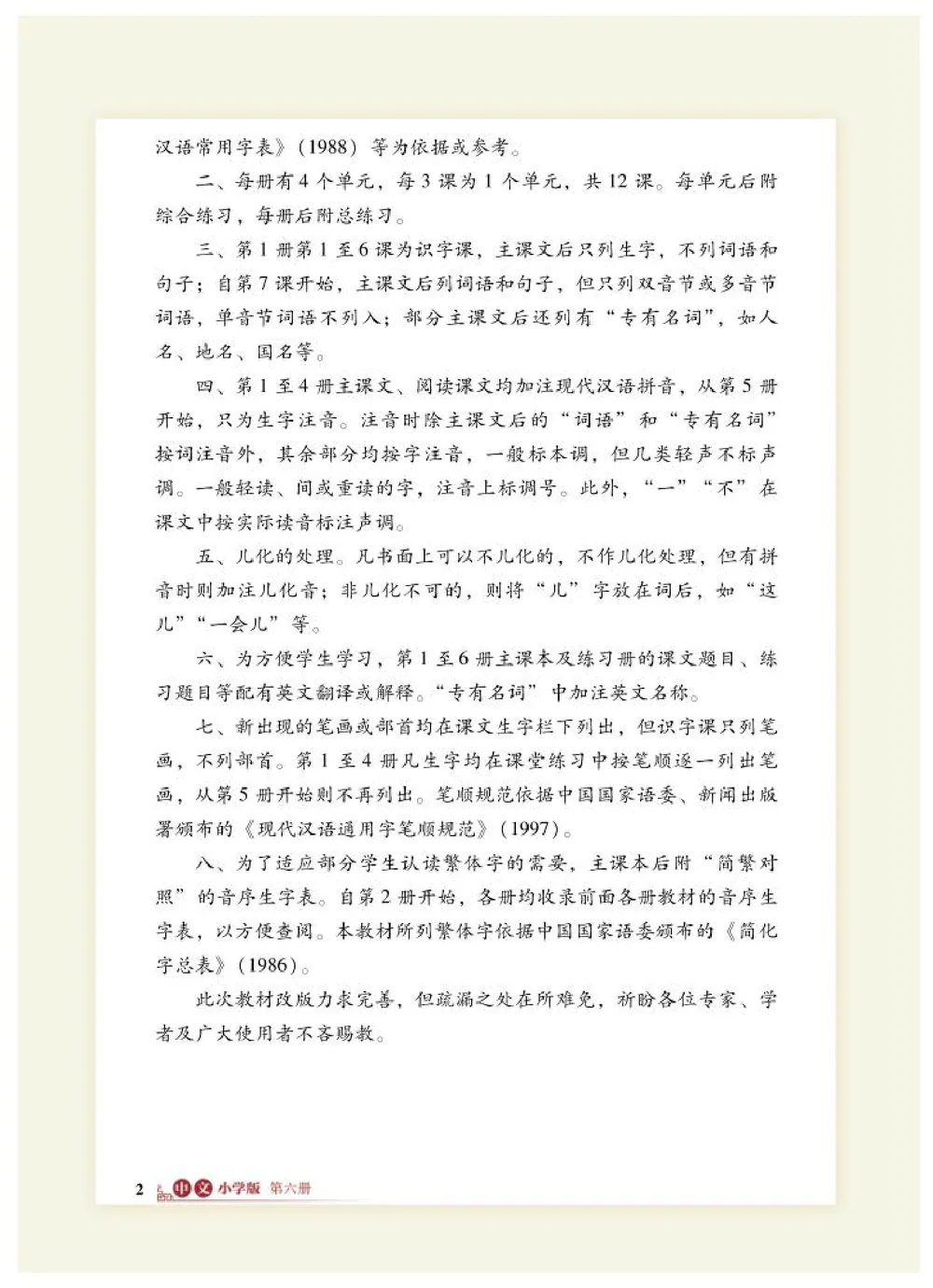
gǎi改bǎn版shuō说míng明
Note on this revised edition
zhōng《wén中shì文》yóu是jì由nán暨dà南xué大huá学wén华xué文yuàn学wèi院hǎi为wài海huá外qiáo华huá侨rén华zǐ人dì子xué弟xí学zhōng习wén中ér文biān而编
Chinese was compiled by the College of Chinese Language and Culture, Jinan University, for the children of overseas Chinese families
xiě写de的xì系liè列jiào教cái材。běn本jiào教cái材gēn根jù据hǎi海wài外huá华wén文jiào教yù育de的mù目biāo标yāo要qiú求,cóng从jiào教xué学duì对xiàng象de的nián年
…series. It follows the aims of overseas Chinese education, starting from the learners'
líng龄、shēng生huó活huán环jìng境hé和xīn心lǐ理tè特diǎn点chū出fā发,kē科xué学ān安pái排jiào教xué学nèi内róng容,hé合lǐ理shè设zhì置jiā家tíng庭liàn练
…age, surroundings and psychology, arranging the content and the home exercises sensibly
xí习,lì力qiú求dá达dào到jiào教yǔ与liàn练、xué学yǔ与yòng用de的tǒng统yī一,yǐ以qī期jiào教xué学xiāng相zhǎng长、xué学yǐ以zhì致yòng用,qǐ启fā发
…so that teaching and practice, learning and use, come together, each strengthening the other, and prompting
xué学shēng生jī积jí极sī思kǎo考,tí提gāo高xué学shēng生yùn运yòng用zhōng中wén文de的néng能lì力。běn本jiào教cái材zài在nèi内róng容tǐ体lì例、tú图wén文biān编
…pupils to think for themselves and use Chinese better. In its content, its illustration
pái排、tí题xíng型shè设jì计jí及jiào教xué学lǐ理niàn念děng等fāng方miàn面tū突chū出péi培yǎng养xìng兴qù趣、yǔ语yán言xué学xí习hé和wén文huà化jiào教yù育sān三
…and layout, exercise design and teaching approach, it emphasises three things: interest, language learning and cultural education
zhòng重gōng功néng能。tōng通guò过xué学xí习yǔ与xùn训liàn练,shǐ使xué学shēng生jù具bèi备hàn汉yǔ语pǔ普tōng通huà话tīng听、shuō说、dú读、xiě写de的jī基
…functions. Through study and practice, pupils gain basic listening, speaking, reading and writing in Mandarin
běn本néng能lì力,liǎo了jiě解zhōng中huá华wén文huà化cháng常shí识,wèi为jìn进yí一bù步xué学xí习zhōng中guó国yǔ语yán言wén文huà化dǎ打xià下liáng良hǎo好
…basic ability, a knowledge of Chinese culture, and a good foundation for further study of the language and its culture
jī基chǔ础。
…the foundation.
běn本jiào教cái材yú于1997nián年tuī推chū出shì试yòng用bǎn版,hán含zhǔ主kè课běn本、jiā家tíng庭liàn练xí习cè册、jiào教shī师jiào教xué学
A trial edition appeared in 1997, comprising the main text, home workbook and teacher's
cān参kǎo考shū书,gòng共12zhǒng种48cè册。2007nián年,jì暨nán南dà大xué学huá华wén文xué学yuàn院zài在shì试yòng用bǎn版jiào教cái材de的jī基
…reference books, 48 volumes in 12 kinds. In 2007 the College of Chinese Language and Culture, Jinan University, took the trial edition
chǔ础shàng上,zǒng总jié结zì自1997nián年yǐ以lái来de的shì试yòng用qíng情kuàng况jìn进xíng行xiū修dìng订。2018nián年,wèi为tí提gāo高huá华wén文
…as its basis, reviewed the experience since 1997 and revised it. In 2018, to improve overseas Chinese
jiào教yù育jiào教cái材de的xì系tǒng统xìng性hé和guī规fàn范xìng性,duì对xiū修dìng订bǎn版jiào教cái材jìn进xíng行gǎi改bǎn版。cǐ此cì次gǎi改bǎn版,yán沿yòng用
…the coherence and standards of overseas Chinese teaching materials, the revised edition was reissued. In this reissue
yuán原yǒu有biān编xiě写tǐ体lì例,jǐn仅tǒng统yī一kāi开běn本,yōu优huà化bǎn版shì式,dìng订zhèng正cuò错lòu漏,bìng并zài在guī规fàn范xìng性、shí时xiào效
…the original plan was kept; only the format was standardised, the layout improved, errors corrected, and the standards and currency
xìng性fāng方miàn面duì对nèi内róng容zi子yǐ以wán完shàn善,rú如wèi为le了gèng更hǎo好dì地fǎn反yìng映xiàn现dài代hàn汉yǔ语cí词huì汇xīn新mào貌,yī依jù据
…improving the content — for instance, to reflect modern Chinese vocabulary better, drawing on
xiàn现dài代hàn汉yǔ语cí词diǎn典》(dì第qī七bǎn版)duì对xiāng相guān关biāo标diào调、cí词xìng性、shì释yì义、bù部shǒu首děng等jìn进xíng行gèng更
…Modern Chinese Dictionary (7th edition) to update tone marks, parts of speech, definitions and radicals
xīn新。cǐ此wài外,běn本jiào教cái材gēng更míng名wèi为zhōng《wén中xiǎo文》(xué小bǎn学jiào版),xué《cān教kǎo学gēng参míng考》wèi更名为
The series has also been renamed Chinese (primary edition), and the Teaching Reference renamed
jiào《shī教shǒu师cè手册》。
the Teacher's Handbook.
jiào教cái材biān编xiě写yuán原zé则jí及tǐ体lì例shuō说míng明rú如xià下:
The principles and conventions used in these materials are as follows:
yī一、zì字、cí词、jù句、piān篇zhāng章děng等nèi内róng容ān安pái排yǐ以hàn《yǔ汉shuǐ语píng水děng平jí等biāo级zhǔn标yǔ准yǔ与fǎ语děng法等
1. Characters, words, sentences and texts follow the Chinese Proficiency Standards and Grammar…
jí级dà大gāng纲》(1996)hàn、yǔ《shuǐ汉píng语cí水huì平yǔ词hàn汇zì与děng汉jí字dà等gāng级hé大xiàn纲》(2001)dài和《现代
…Syllabus (1996), the Graded Vocabulary and Characters Syllabus (2001) and the Modern…
hàn汉yǔ语cháng常yòng用zì字biǎo表》(1988)děng等wèi为yī依jù据huò或cān参kǎo考。
…List of Commonly Used Characters in Modern Chinese (1988) and others.
èr二、měi每cè册yǒu有4gè个dān单yuán元,měi每3kè课wèi为1gè个dān单yuán元,gòng共12kè课。měi每dān单yuán元hòu后fù附
2. Each book has four units of three lessons, twelve in all, with a review after each unit
zōng综hé合liàn练xí习,měi每cè册hòu后fù附zǒng总liàn练xí习。
…review exercises, with a general review at the end of each book.
sān三、dì第1cè册dì第1zhì至6kè课wèi为shí识zì字kè课,zhǔ主kè课wén文hòu后zhǐ只liè列shēng生zì字,bù不liè列cí词yǔ语hé和
3. Lessons 1–6 of Book 1 are character-recognition lessons; only new characters follow the text, not words or
xiàng向zi子:zì自dì第7kè课kāi开shǐ始,zhǔ主kè课wén文hòu后liè列cí词yǔ语hé和jù句zi子,dàn但zhǐ只liè列shuāng双yīn音jié节huò或duō多yīn音jié节
Sentences: from Lesson 7 the text is followed by words and sentences, but only two- or multi-syllable ones
cí词yǔ语,dān单yīn音jié节cí词yǔ语bù不liè列rù入;bù部fèn分zhǔ主kè课wén文hòu后hái还liè列yǒu有“zhuān专yǒu有míng名cí词”,rú如rén人
…words; single-syllable words are not listed. Some texts also list proper nouns, such as personal
míng名、dì地míng名、guó国míng名děng等。
…given names, place names, country names and so on.
sì四、dì第1zhì至4cè册zhǔ主kè课wén文、yuè阅dú读kè课wén文jūn均jiā加zhù注xiàn现dài代hàn汉yǔ语pīn拼yīn音,cóng从dì第5cè册
4. The main and reading texts of Books 1–4 are fully annotated with pinyin; from Book 5
kāi开shǐ始,zhǐ只wéi为shēng生zì字zhù注yīn音。zhù注yīn音shí时chú除zhǔ主kè课wén文hòu后de的“cí词yǔ语”hé和“zhuān专yǒu有míng名cí词”
…onward only new characters are annotated; apart from the word lists and proper nouns after the main text
àn按cí词zhù注yīn音wài外,qí其yú余bù部fèn分jūn均àn按zì字zhù注yīn音,yì一bān般biāo标běn本diào调,dàn但jǐ几lèi类qīng轻shēng声bù不biāo标shēng声
…which are annotated word by word, the rest is annotated character by character, normally with the original tone, though some neutral tones are unmarked
diào调。yì一bān般qīng轻dú读、jiàn间huò或chóng重dú读de的zì字,zhù注yīn音shàng上biāo标diào调hào号。cǐ此wài外,“èr二”“bù不”zài在
…tone. Characters usually read light but sometimes stressed carry a tone mark. Also, 二 and 不 in
kè课wén文zhōng中àn按shí实jì际dú读yīn音biāo标zhù注shēng声diào调。
Tones are marked in the text as the words are actually pronounced.
wǔ五、ér儿huà化de的chǔ处lǐ理。fán凡shū书miàn面shàng上kě可yǐ以bù不ér儿huà化de的,bù不zuò作ér儿huà化chǔ处lǐ理,dàn但yǒu有pīn拼
5. On the retroflex -r: where writing need not show it, it is not shown, but where the pinyin
yīn音shí时zé则jiā加zhù注ér儿huà化yīn音:fēi非ér儿huà化bù不kě可de的,zé则jiāng将“ér儿”zì字fàng放zài在cí词hòu后,rú如“zhè这
…the -r is written into the pinyin; where it cannot be dropped, 儿 follows the word, as in 这
ér儿”“yī一huì会er儿”děng等。
…儿" and "一会儿" and so on.
liù六、wèi为fāng方biàn便xué学shēng生xué学xí习,dì第1zhì至6cè册zhǔ主kè课běn本jí及liàn练xí习cè册de的kè课wén文tí题mù目、liàn练
6. For ease of study, the lesson titles and exercises in Books 1–6 and their workbooks
xí习tí题mù目děng等pèi配yǒu有yīng英wén文fān翻yì译huò或jiě解shì释。“zhuān专yǒu有míng名cí词”zhōng中jiā加zhù注yīng英wén文míng名chēng称。
…exercise headings carry an English translation or explanation, and proper nouns are given their English names.
qī七、xīn新chū出xiàn现de的bǐ笔huà画huò或bù部shǒu首jūn均zài在kè课wén文shēng生zì字lán栏xià下liè列chū出,dàn但shí识zì字kè课chǐ尺liè列bǐ笔
7. New strokes and radicals are listed under the new-character column, though character-recognition lessons list strokes only
huà画,bù不liè列bù部shǒu首。dì第1zhì至4cè册fán凡shēng生zì字jūn均zài在kè课táng堂liàn练xí习zhōng中jiē接bǐ笔shùn顺zhú逐yī一liè列chū出bǐ笔
…strokes, not radicals. In Books 1–4 every new character is written out stroke by stroke in the class exercises
huà画,cóng从dì第5cè册kāi开shǐ始zé则bù不zài再liè列chū出。bǐ笔shùn顺guī规fàn范yī依jù据zhōng中guó国guó国jiā家yǔ语wěi委、xīn新nán南chū出bǎn版
…strokes; from Book 5 they are no longer listed. Stroke order follows the standard issued by China's State Language Commission and the press
shǔ署pín频bù布de的xiàn《dài现hàn代yǔ汉tōng语yòng通zì用bǐ字shùn笔guī顺fàn规范》(1997)。
…issued the Standard Stroke Order for Common Modern Chinese Characters (1997).
bā八、wèi为le了shì适yìng应bù部fèn分xué学shēng生rèn认dú读fán繁tǐ体zì字de的xū需yào要,zhǔ主kè课běn本hòu后fù附“jiǎn简fán繁duì对
8. For pupils who need to read traditional characters, the main text is followed by a simplified–traditional…
zhào照”de的yīn音xù序shēng生zì字biǎo表。zì自dì第2cè册kāi开shǐ始,gè各cè册jūn均shōu收lù录qián前miàn面gè各cè册jiào教cái材de的yīn音xù序shēng生
…alphabetical list of new characters. From Book 2 on, each book also carries the alphabetical lists of the earlier books
zì字biǎo表,yǐ以fāng方biàn便chá查yuè阅。běn本jiào教cái材suǒ所liè列fán繁tǐ体zì字yī依jù据zhōng中guó国guó国jiā家yǔ语wěi委bān颁bù布de的jiǎn《huà简化
…character list for reference. The traditional forms follow the Simplified… issued by China's State Language Commission
zì字zǒng总biǎo表》(1986)。
…the Complete List of Characters (1986).
cǐ此cì次jiào教cái材gǎi改bǎn版lì力qiú求wán完shàn善,dàn但shū蔬lòu漏zhī之chù处zài在suǒ所nán难miǎn免,xīn新pàn盼gè各wèi位zhuān专jiā家、xué学
This revision aims at completeness, but omissions are inevitable; we hope experts and scholars
zhě者jí及guǎng广dà大shǐ使yòng用zhě者bù不kè客cì赐jiào教。
…and all who use them for their comments.
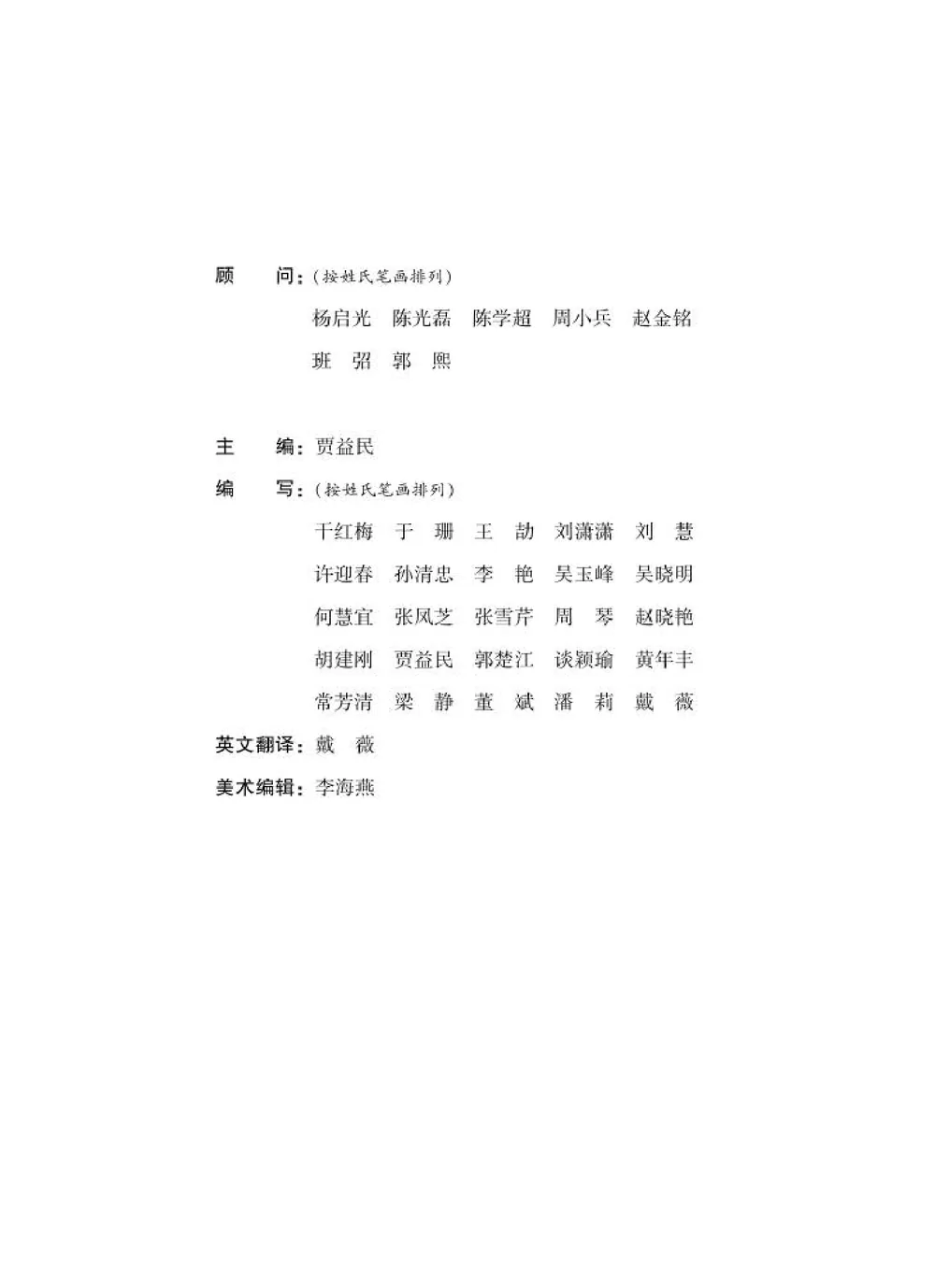
wèn问:(àn按xìng姓shì氏bǐ笔huà画pái排liè列)
…(listed by stroke count of surname)
yáng杨qǐ启guāng光
Yang Qiguang
chén陈guāng光lěi磊
Chen Guanglei
chén陈xué学chāo超
Chen Xuechao
zhōu周xiǎo小bīng兵
Zhou Xiaobing
zhào赵jīn金míng铭
Zhao Jinming
bān班diāo貂guō郭xī熙
biān编:jiǎ贾yì益mín民
Editor-in-chief: Jia Yimin
xiě写:(àn按xìng姓shì氏bǐ笔huà画pái排liè列)
…(listed by stroke count of surname)
liú刘xiāo潇xiāo潇
Liu Xiaoxiao
liú刘huì慧
gàn干hóng红méi梅
Gan Hongmei
yú于shān珊wáng王kān勘
xǔ许yíng迎chūn春
Xu Yingchun
sūn孙qīng清zhōng忠
Sun Qingzhong
lǐ李yàn艳
wú吴yù玉fēng峰
Wu Yufeng
wú吴xiǎo晓míng明
Wu Xiaoming
hé何huì慧yí宜
He Huiyi
zhāng张fèng凤zhī芝
Zhang Fengzhi
zhāng张xuě雪qín芹
Zhang Xueqin
zhōu周qín琴
zhào赵xiǎo晓yàn艳
Zhao Xiaoyan
hú胡jiàn建gāng刚
Hu Jiangang
jiǎ贾yì益mín民
Jia Yimin
guō郭chǔ楚jiāng江
Guo Chujiang
tán谈yǐng颖yú瑜
Tan Yingyu
huáng黄nián年fēng丰
Huang Nianfeng
cháng常fāng芳qīng清
Chang Fangqing
liáng梁jìng静dǒng董bīn斌
Liang Jing · Dong Bin
pān潘lì莉dài戴wēi薇
Pan Li · Dai Wei
yīng英wén文fān翻yì译:dài戴wēi薇
English translation: Dai Wei
měi美shù术biān编jí辑:lǐ李hǎi海yàn燕
Art editor: Li Haiyan
课本的生字表没能从扫描件上读出来,下面是这一课第一次出现的字。 The book's own 生字 list could not be read for this lesson; these are the characters it introduces.
测验 Quiz — 23 questions
做完这些题就算学完这一课。 Finish these to complete the lesson.
-
饱 Choose the pinyin
-
鲍 Choose the pinyin
-
币 Choose the pinyin
-
菜 Choose the pinyin
-
茶 Choose the pinyin
-
超 Choose the pinyin
-
chǎo Choose the character
-
chén Choose the character
-
chéng Choose the character
-
chèng Choose the character
-
fǎn Choose the character
-
yùn Choose the character
-
饱(bǎo) What does it mean?
-
鲍(bào) What does it mean?
-
币(bì) What does it mean?
-
菜(cài) What does it mean?
-
茶(chá) What does it mean?
-
超(chāo) What does it mean?
-
饱(_)币,()表:部12 Which character belongs in the blank?
-
菜茶超炒沉0晨称1()_。秤:返(運)尺 Which character belongs in the blank?
-
垂,慈,此。_,错() Which character belongs in the blank?
-
D待。单(罩)但12挡(_)刀得独(獨)度顿() Which character belongs in the blank?
-
F繁。反缝,(_)父12 Which character belongs in the blank?
-
把汉字和拼音连起来 Match each character to its pinyin
-
Listen and choose the character you hear
-
Listen and choose the character you hear
-
Listen and choose the character you hear
-
Listen and choose the character you hear
-
生字卡片 Flashcards for this lesson's characters
饱 bǎo
to eat till full; satisfied鲍 bào
abalone币 bì
money; coins; currency菜 cài
vegetable; greens; dish; (of one's skills etc) weak; poor茶 chá
tea; tea plant超 chāo
to exceed; to overtake; to surpass炒 chǎo
to sauté; to stir-fry; to speculate (in real estate etc); to scalp; to hype up沉 chén
variant of 沉[chen2]程 chéng
rule; order; regulations秤 chèng
steelyard balance; Roman balance返 fǎn
to return (to)尺 chǐ
a Chinese foot; one-third of a meter; a ruler垂 chuí
to hang (down); droop; dangle慈 cí
compassionate; gentle; merciful寸 cùn
a unit of length; inch; thumb错 cuò
mistake; wrong; bad待 dài
to wait; to treat; to deal with罩 zhào
to cover; to spread over; a cover; a shade; a hood; bamboo fish trap但 dàn
but; yet; however; still; merely; only; just挡 dǎng
to resist; to obstruct; to hinder搐 chù
to twitch; to have a spasm度 dù
to pass; to spend (time); measure顿 dùn
to stop; to pause; to arrange缝 fèng
seam; crack; narrow slit父 fù
(bound form) father; (bound form) male relative of father's generation (as in 伯父[bo2 fu4]); (computing) (bound form) parent-够 gòu
enough (sufficient); enough (too much); (coll.) (before adj.) really官 guān
government official; governmental; official馆 guǎn
variant of 館|馆[guan3]归 guī
to return; to go back to; to give back to哈 hā
(interj.) ha!; (onom. for laughter); (slang) to be infatuated with; to adore害 hài
to do harm to; to cause trouble to; harm寒 hán
cold; poor; to tremble坏 huài
bad; spoiled; broken
课本原页,点图看大图。 The printed pages this lesson comes from — tap to enlarge.